This magnificent 3-bedroom villa, located in the exclusive luxury development of Bahía de la Plata, offers a unique and privileged lifestyle experience. With 3 bedrooms and 2 bathrooms, this residence guarantees comfort and privacy for its residents.
It stands out for its spacious terrace and generously sized rooms, providing a perfect indoor-outdoor environment for relaxing, enjoying the views, and savoring spectacular sunsets. From this privileged location, one can admire the beauty of the surroundings in an atmosphere of absolute tranquility.
The villa also features a home automation system, allowing for intelligent control of lighting, climate control, and other home elements, providing added comfort, energy efficiency, and security.
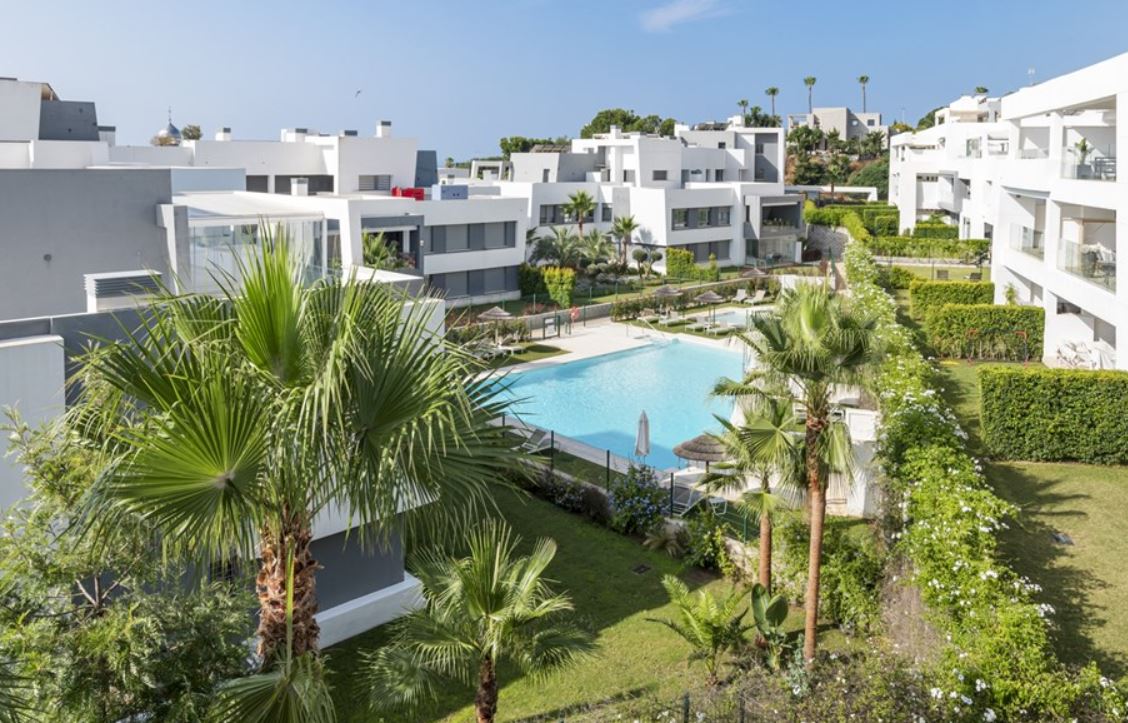
The development boasts exciting communal areas offering a wide range of entertainment and wellness options. Amenities include several swimming pools, ideal for enjoying a refreshing dip under the Mediterranean sun, a fully equipped gym for fitness enthusiasts, and a spa for relaxation and rejuvenation.
One of the great advantages of this property is its prime beachfront location, allowing residents to enjoy direct access to the sea, just steps from their home. This provides the opportunity to revel in the sea breeze and enjoy sunny days overlooking the Mediterranean without long journeys. Furthermore, it is close to all the amenities necessary for comfortable living, such as restaurants, shops, and shopping centers.
The property is located just a 5-minute drive from the center of Estepona, a charming town with a wide range of cultural, gastronomic, and leisure activities.
The listed price does not include taxes, notary fees, or registration fees. The surface areas shown on this page are for illustrative purposes only and are approximate.
Characteristics
- Air conditioning
- Alarm
- Amenities near
- Armored door
- Beach Side
- Close to port
- Close to restaurants
- Close to schools
- Close to shops
- Close to town
- Communal Garage
- Communal Pool
- Concierge Service
- Covered terrace
- Direct sea access
- Dolby Stereo Surround system
- Double glazing
- Electric blinds
- Excellent condition
- Fitted wardrobes
- Front line beach
- Gated community
- Gym
- Indoor pool
- Kitchen equipped
- Lift
- Mains electricity supply
- Mains water supply
- Mature gardens
- Parking included
- Partial sea views
- Private Garden
- Private terrace
- Security entrance
- Security service 24h
- Security shutters
- Smart home system
- SPA
- Surveillance cameras
- Tennis / paddle court
- Transport near
- Utility room
- Video entrance
- Walk-in closet
Annual taxes & community costs
- IBI: 1.307 euros
- Rubish tax: 185 euros
Proximities in Punta Plata, Estepona

- San José School Guadalmina: 16 Km
- Atalaya International College: 19 Km

- Hospiten Estepona: 9 Km
- Hospital de Alta Resolución de Estepona (Public): 11 Km

- Puerto Banús: 22 Km
- Sotogrande: 30 Km
- Marbella: 32 Km
- Gibraltar: 48 Km
- Málaga: 91 Km

- San José School Estepona: 3 Km
8 Reasons to Buy a Home in Estepona in 2026
Lifestyle, Investment, and Quality on the Costa del Sol If you're considering buying a home on Spain’s Costa del Sol, Marbella has likely already caught your attention. However, there’s another town that is quietly becoming one of the most solid and attractive real estate markets in s outhern Spain: Estepona . With steady growth, major urban transformation, and a perfect balance between modern luxury and authentic Andalusian charm, Estepona offers something few destinations can deliver — genuine quality of life combined with strong appreciation potential. From our real estate agency on the Costa del Sol here are 8 reasons why buying a home in Estepona could be one of the smartest personal and financial decisions you make this year. 1. A Historic Old Town That Captivates from the First Walk Estepona is known as “ The Garden of the Costa del Sol ,” and a stroll through its historic center makes it easy to see why. Immaculate whitewashed streets, balconies overflowing with geraniums, charming plazas, and quiet corners where life moves at a slower pace. Landmarks such as Plaza de las Flores, the Church of Santa María de los Remedios, and the San Luis Castle add character and authenticity. Unlike more saturated destinations, Estepona has revitalized its old town without losing its soul . Living here means having authentic Andalusian culture right outside your door. .klarium-cta-box { display: flex; align-items: stretch; max-width: 860px; margin: 40px auto; border: 1px solid #e0dbd3; overflow: hidden; font-family: 'Nunito Sans', sans-serif; } .klarium-cta-img { flex: 0 0 40%; min-height: 240px; background-size: cover; background-position: center; } .klarium-cta-body { flex: 1; background: #f7f5f2; padding: 36px 40px; display: flex; flex-direction: column; justify-content: center; } .klarium-cta-label { font-size: 0.75rem; font-weight: 600; letter-spacing: 0.12em; text-transform: uppercase; color: #8E424C; margin: 0 0 10px 0; } .klarium-cta-title { font-family: 'Nunito Sans', sans-serif; font-size: 1.35rem; font-weight: 700; color: #1a1a1a; margin: 0 0 12px 0; line-height: 1.3; } .klarium-cta-text { font-size: 0.9rem; font-weight: 300; color: #4a4a4a; line-height: 1.7; margin: 0 0 24px 0; } .klarium-cta-btn { display: inline-block; background: #8E424C; color: #ffffff; text-decoration: none; font-size: 0.75rem; font-weight: 700; letter-spacing: 0.12em; text-transform: uppercase; padding: 13px 28px; align-self: flex-start; transition: background 0.3s ease; } .klarium-cta-btn:hover { background: #1a1a1a; color: #ffffff; text-decoration: none; } @media (max-width: 640px) { .klarium-cta-box { flex-direction: column; } .klarium-cta-img { flex: none; width: 100%; min-height: 200px; } .klarium-cta-body { padding: 28px 24px; } .klarium-cta-title { font-size: 1.15rem; } } Estepona · Costa del Sol Invest in Estepona, the rising gem of Costa del Sol Discover our selection of rented apartments in Estepona. Properties with tenants in place, active lease contracts, and rental income from day one. View opportunities 2. 13 Miles of Beaches to Enjoy Year-Round Owning a home in Estepona means making the Mediterranean part of your everyday life. The town boasts 17 beaches stretching across 13 miles of coastline. From the popular Playa de la Rada near the town center to quieter areas along the New Golden Mile, there are options for every lifestyle. Many properties are within walking distance of the beach — a feature that not only enhances quality of life but also significantly increases rental and resale appeal. .klarium-cta-box { display: flex; align-items: stretch; max-width: 860px; margin: 40px auto; border: 1px solid #e0dbd3; overflow: hidden; font-family: 'Nunito Sans', sans-serif; } .klarium-cta-img { flex: 0 0 40%; min-height: 240px; background-size: cover; background-position: center; } .klarium-cta-body { flex: 1; background: #f7f5f2; padding: 36px 40px; display: flex; flex-direction: column; justify-content: center; } .klarium-cta-label { font-size: 0.75rem; font-weight: 600; letter-spacing: 0.12em; text-transform: uppercase; color: #8E424C; margin: 0 0 10px 0; } .klarium-cta-title { font-family: 'Nunito Sans', sans-serif; font-size: 1.35rem; font-weight: 700; color: #1a1a1a; margin: 0 0 12px 0; line-height: 1.3; } .klarium-cta-text { font-size: 0.9rem; font-weight: 300; color: #4a4a4a; line-height: 1.7; margin: 0 0 24px 0; } .klarium-cta-btn { display: inline-block; background: #8E424C; color: #ffffff; text-decoration: none; font-size: 0.75rem; font-weight: 700; letter-spacing: 0.12em; text-transform: uppercase; padding: 13px 28px; align-self: flex-start; transition: background 0.3s ease; } .klarium-cta-btn:hover { background: #1a1a1a; color: #ffffff; text-decoration: none; } @media (max-width: 640px) { .klarium-cta-box { flex-direction: column; } .klarium-cta-img { flex: none; width: 100%; min-height: 200px; } .klarium-cta-body { padding: 28px 24px; } .klarium-cta-title { font-size: 1.15rem; } } Villas · Estepona Luxury villas in Estepona with premium investment potential Discover our exclusive selection of luxury villas in Estepona. Premium properties designed for discerning investors seeking high-value assets with strong rental demand and appreciation potential. View villas 3. Mediterranean Climate and a Healthier Lifestyle With over 320 days of sunshine per year and mild winters , Estepona allows residents to enjoy outdoor living almost year-round. Life here happens on terraces, seaside promenades, and golf courses. The climate encourages physical activity, well-being, and a more relaxed daily rhythm. For international buyers, this is a key factor: it’s not just about purchasing a property — it’s about upgrading your lifestyle. 4. Exclusive Residential Areas with Strong Growth Potential The coastal stretch connecting San Pedro to Estepona — known as the New Golden Mile — has become one of the most desirable areas for luxury residential development. In East Estepona, sought-after areas include: Los Flamingos Golf El Paraíso Bel-Air Cancelada In West Estepona, communities such as Valle Romano, Estepona Golf, and contemporary beachfront developments offer high-end properties with strong appreciation potential. The combination of privacy, modern design, and well-planned surroundings makes these areas ideal for both primary residences and investment properties. .klarium-cta-box { display: flex; align-items: stretch; max-width: 860px; margin: 40px auto; border: 1px solid #e0dbd3; overflow: hidden; font-family: 'Nunito Sans', sans-serif; } .klarium-cta-img { flex: 0 0 40%; min-height: 240px; background-size: cover; background-position: center; } .klarium-cta-body { flex: 1; background: #f7f5f2; padding: 36px 40px; display: flex; flex-direction: column; justify-content: center; } .klarium-cta-label { font-size: 0.75rem; font-weight: 600; letter-spacing: 0.12em; text-transform: uppercase; color: #8E424C; margin: 0 0 10px 0; } .klarium-cta-title { font-family: 'Nunito Sans', sans-serif; font-size: 1.35rem; font-weight: 700; color: #1a1a1a; margin: 0 0 12px 0; line-height: 1.3; } .klarium-cta-text { font-size: 0.9rem; font-weight: 300; color: #4a4a4a; line-height: 1.7; margin: 0 0 24px 0; } .klarium-cta-btn { display: inline-block; background: #8E424C; color: #ffffff; text-decoration: none; font-size: 0.75rem; font-weight: 700; letter-spacing: 0.12em; text-transform: uppercase; padding: 13px 28px; align-self: flex-start; transition: background 0.3s ease; } .klarium-cta-btn:hover { background: #1a1a1a; color: #ffffff; text-decoration: none; } @media (max-width: 640px) { .klarium-cta-box { flex-direction: column; } .klarium-cta-img { flex: none; width: 100%; min-height: 200px; } .klarium-cta-body { padding: 28px 24px; } .klarium-cta-title { font-size: 1.15rem; } } Apartments · Estepona Modern apartments in Estepona with guaranteed returns Explore our curated collection of modern apartments in Estepona. Each property features professional management, verified tenants, and consistent monthly rental income. Explore apartments 5. Urban Transformation and High-Impact Development Projects Estepona isn’t just growing — it’s evolving strategically. The town has invested heavily in infrastructure, public spaces, and urban renewal. Projects such as the new San Lorenzo Boulevard will strengthen the connection between the town center and the waterfront, adding pedestrian zones, commercial spaces, and underground parking. In addition, large-scale cultural and entertainment initiatives are placing Estepona firmly on the international map , boosting the local economy and reinforcing the real estate market. Consistent public investment is one of the main drivers behind Estepona’s long-term stability and growth outlook. @import url('https://fonts.googleapis.com/css2?family=Cormorant+Garamond:ital,wght@0,400;0,600;1,400;1,600&family=Montserrat:wght@300;400;500&display=swap'); .cta-block { border: 1px solid #e0ddd8; border-radius: 10px; padding: 2rem 2.5rem; background: #fff; display: flex; flex-direction: column; gap: 1rem; max-width: 720px; margin: 2rem 0; position: relative; overflow: hidden; } .cta-block::before { content: ''; position: absolute; top: 0; left: 0; width: 4px; height: 100%; background: #8E424C; } .cta-eyebrow { font-family: 'Montserrat', sans-serif; font-size: 10px; font-weight: 500; letter-spacing: 0.18em; text-transform: uppercase; color: #8E424C; } .cta-title { font-family: 'Cormorant Garamond', Georgia, serif; font-size: 26px; font-weight: 600; line-height: 1.3; color: #1a1a1a; margin: 0; } .cta-title em { font-style: italic; color: #8E424C; font-weight: 600; } .cta-desc { font-family: 'Montserrat', sans-serif; font-size: 13px; font-weight: 300; color: #666; line-height: 1.6; margin: 0; } .cta-btn { display: inline-flex; align-items: center; gap: 10px; margin-top: 0.5rem; font-family: 'Montserrat', sans-serif; font-size: 11px; font-weight: 500; letter-spacing: 0.12em; text-transform: uppercase; color: #fff; background: #8E424C; padding: 12px 24px; border-radius: 2px; text-decoration: none; width: fit-content; } You might also like Looking for the best addresses in Marbella? 7 luxury developments worth knowing Estepona has its charm, but Marbella remains the benchmark for luxury living on the Costa del Sol. Discover the seven most sought-after residential developments in the area right now. Read the article → 6. Luxury Hotels and Premium Services Elevating Property Values The arrival of five-star resorts and high-end hotels has reinforced Estepona’s image as a luxury destination. These establishments attract affluent tourism, create employment opportunities, and increase demand for second homes. In real estate terms, this typically translates into rising property values and further consolidation of the luxury segment. .klarium-cta-box { display: flex; align-items: stretch; max-width: 860px; margin: 40px auto; border: 1px solid #e0dbd3; overflow: hidden; font-family: 'Nunito Sans', sans-serif; } .klarium-cta-img { flex: 0 0 40%; min-height: 240px; background-size: cover; background-position: center; } .klarium-cta-body { flex: 1; background: #f7f5f2; padding: 36px 40px; display: flex; flex-direction: column; justify-content: center; } .klarium-cta-label { font-size: 0.75rem; font-weight: 600; letter-spacing: 0.12em; text-transform: uppercase; color: #8E424C; margin: 0 0 10px 0; } .klarium-cta-title { font-family: 'Nunito Sans', sans-serif; font-size: 1.35rem; font-weight: 700; color: #1a1a1a; margin: 0 0 12px 0; line-height: 1.3; } .klarium-cta-text { font-size: 0.9rem; font-weight: 300; color: #4a4a4a; line-height: 1.7; margin: 0 0 24px 0; } .klarium-cta-btn { display: inline-block; background: #8E424C; color: #ffffff; text-decoration: none; font-size: 0.75rem; font-weight: 700; letter-spacing: 0.12em; text-transform: uppercase; padding: 13px 28px; align-self: flex-start; transition: background 0.3s ease; } .klarium-cta-btn:hover { background: #1a1a1a; color: #ffffff; text-decoration: none; } @media (max-width: 640px) { .klarium-cta-box { flex-direction: column; } .klarium-cta-img { flex: none; width: 100%; min-height: 200px; } .klarium-cta-body { padding: 28px 24px; } .klarium-cta-title { font-size: 1.15rem; } } Estepona · Costa del Sol Invest in Estepona, the rising gem of Costa del Sol Discover our selection of rented apartments in Estepona. Properties with tenants in place, active lease contracts, and rental income from day one. View opportunities 7. A Strong Real Estate Market with Appreciation Potential Estepona’s property market continues to show consistent demand from both domestic and international buyers. Key indicators include: Sustained sales growth High demand for both short-term vacation rentals and long-term leases Limited prime land availability Continuous new development projects Compared to Marbella, property prices remain more competitive, offering greater room for mid- and long-term appreciation. Many investors see Estepona as being in an active growth phase — making it a strategic entry point into the Costa del Sol market. Klarium Living: Our real estate agency on the Costa del Sol can help you with this process. 8. The Perfect Balance Between Tranquility and Connectivity One of Estepona’s greatest strengths is its atmosphere. Although it is just 20–30 minutes from Marbella and well connected to Málaga International Airport and Gibraltar, the pace of life here is noticeably different — calmer, more residential, more authentic. It’s ideal for those who want access to Marbella’s glamour without living in the middle of it. That balance — connectivity combined with peace — is rare among coastal destinations. Frequently Asked Questions About Buying Property in Estepona .klarium-cta-box { display: flex; align-items: stretch; max-width: 860px; margin: 40px auto; border: 1px solid #e0dbd3; overflow: hidden; font-family: 'Nunito Sans', sans-serif; } .klarium-cta-img { flex: 0 0 40%; min-height: 240px; background: #1a1a1a; display: flex; align-items: center; justify-content: center; padding: 40px; } .klarium-cta-img img { width: 100%; max-width: 200px; } .klarium-cta-body { flex: 1; background: #f7f5f2; padding: 36px 40px; display: flex; flex-direction: column; justify-content: center; } .klarium-cta-label { font-size: 0.75rem; font-weight: 600; letter-spacing: 0.12em; text-transform: uppercase; color: #8E424C; margin: 0 0 10px 0; } .klarium-cta-title { font-family: 'Nunito Sans', sans-serif; font-size: 1.35rem; font-weight: 700; color: #1a1a1a; margin: 0 0 12px 0; line-height: 1.3; } .klarium-cta-text { font-size: 0.9rem; font-weight: 300; color: #4a4a4a; line-height: 1.7; margin: 0 0 24px 0; } .klarium-cta-btn { display: inline-block; background: #8E424C; color: #ffffff; text-decoration: none; font-size: 0.75rem; font-weight: 700; letter-spacing: 0.12em; text-transform: uppercase; padding: 13px 28px; align-self: flex-start; transition: background 0.3s ease; } .klarium-cta-btn:hover { background: #1a1a1a; color: #ffffff; text-decoration: none; } @media (max-width: 640px) { .klarium-cta-box { flex-direction: column; } .klarium-cta-img { flex: none; width: 100%; min-height: 180px; padding: 30px; } .klarium-cta-body { padding: 28px 24px; } .klarium-cta-title { font-size: 1.15rem; } } Real Estate · Costa del Sol Klarium Living, your real estate agency on the Costa del Sol Specialists in properties with tenants in place and guaranteed rental income in Málaga, Marbella and across the Costa del Sol. No agency fees on many of our transactions. Discover Klarium
Similar properties in Punta Plata, Estepona
Brand New Fully Furnished Apartment in Puerto de Estepona
Brand New Fully Furnished 2-Bedroom Apartment in Puerto de Estepona – Just One Minute from the Beach! Step into modern coastal luxury with this stunning, brand-new apartment in a 2025-designed building at Calle Melilla, 55, Puerto de Estepona. Boasting 87 m² of useful space, this 2-bedroom, 2-bathroom gem is fully furnished and ready to move in ("a estrenar"), offering a seamless blend of contemporary design and unbeatable location. The open-plan layout features a spacious living-dining-kitchen area (28.15 m²), two comfortable bedrooms (12.54 m² and 10.59 m²), two modern bathrooms, a hall (3.53 m²), and patios for outdoor enjoyment – all with elevator access for ultimate convenience. Key Features: Prime Beachfront Location: Only a one-minute walk to the sandy shores, with a tennis/padel center right around the corner for active lifestyles. Modern and Efficient Design: Completed in 2025, with underground parking, full furnishings, and thoughtful spaces like a paso (1.70 m²) and patios (including Patio 2 at 9.53 m²) for relaxation. Communal Amenities: Enjoy relaxing rooftop areas with BBQ zones and a swimming pool – perfect for unwinding in the sun. Comfort and Convenience: Elevator directly to your floor, bright open-plan living, and proximity to Estepona's vibrant port area. This pristine property is an ideal retreat for those seeking effortless beachside living in a brand-new setting. Contact us today to secure your slice of paradise!
Apartment with sea views in Guadalmansa.
Welcome to your new home! We present a spectacular apartment with three bedrooms and two bathrooms, one of them en suite, ideal for families or as a holiday getaway. This bright property has a fully equipped kitchen, perfect for preparing delicious meals with plenty of space as it also has a small laundry room and B&B area. Enjoy its large terrace connected to the living-dining room, and another from one of the secondary bedrooms, transformed into a cozy glass-walled office, ideal for those who want to or work from home with a Northeast orientation. Both terraces are covered, and the main terrace offer beautiful sea views, creating an ideal space to relax. The building has all the amenities, including an outdoor swimming pool, an indoor pool, Jacuzzi and a spacious and well-equipped gymnasium, ensuring you always have options to keep active and fit. The development is completely closed and secure. The complex is located just a two minute walk from a variety of restaurants and cafes, the famous Las Dunas Hotel and five minutes from the sea, where you will find the popular Tikitano beach bar. It is excellently connected to the A7, providing easy access to all directions, such as Marbella, airport etc. This flat is perfect to enjoy the luxury, tranquillity and sea views, making it the ideal place for your family life or holidays, don't miss the opportunity to visit it and fall in love with your new home!
Stunning Apartments & Penthouses for sale in Estepona with beautiful sea views
From it’s heightened position this select boutique development is carefully orientated so that each edifice makes the most of the beautiful sea views. There is a lovely oasis at the westerly point of the enclosed complex with a large communal swimming pool surrounded by verdant lawn ideal for relaxing in the Mediterranean gardens and enjoying the privileged climate that this part of the world is renowned for. Sitting at the foot of the Sierra Bermeja Mountains, Estepona is located to the west of Puerto Banús and Marbella and encompasses a range of beautiful beachside resorts. Two of the most popular include Playa del Cristo and Playa la Rada – One80 Suites is perfectly placed to enjoy a relaxed and laidback atmosphere, whilst also offering easy access to the main tourist hotspots. Whether you are seeking a full time retirement home or somewhere escape to and enjoy living a wonderful Spanish lifestyle by the sea with the beach, shops, restaurants and cafes only a short walk away then One 80 Suites could tick the box. With its ideal location and amenities within walking distance, these fantastic apartments are a definite cert if looking for a shrewd investment opportunity. Contemporary design, convenience and quality, it’s all about living the Spanish dream. Oversized windows invite natural light to flood into the open plan living room and kitchen. Sliding glass doors provide access to fabulous terraces featuring contemporary glass balustrades. A select offer of ground floors with a private garden, all apartments benefit from a fabulous terrace and penthouses boast a superb private solarium, ideal for soaking up the views.
A new life between the sea and the mountains
A grand residential complex in the Las Mesas area of Estepona that will offer homes with stunning views of the sea and mountains, filled with natural light and enhanced by the gentle sea breeze.
Apartment for sale in Estepona, Costa del Sol
57 Exclusive Sea-View Apartments in Estepona’s Prestigious New Golden Mile
This exclusive gated boutique residential complex offers only 57 premium apartments in a highly desirable location just 800 meters from the beaches of the New Golden Mile. Spacious residences range from 120 m² to 200 m² and include only 3- and 4-bedroom layouts. Each apartment features a bright 45 m² open-plan living area with integrated kitchen, terraces 30-75 m2 Property types include ground-floor apartments with private gardens from 37- 220 m², middle-floor units with sea views, and impressive four-bedroom duplex penthouses with panoramic view to the Coast and Gibraltar. All homes include two parking spaces and a large storage room. Interiors are finished with premium-quality materials, elegant Italian kitchens equipped with appliances by Miele and Siemens, Italian interior doors, built-in entrance wardrobes, and a smart home system controlling underfloor heating, air conditioning (hot & cold), lighting, and electric curtains. All appliances are included in the price. Integrated filler for drinking water. A fully fitted bathroom with vanity units and premium sanitaryware by Hansgrohe and Geberit Residents benefit from access to a five-star Sport & Wellness Resort located just 80 meters away, offering tennis and paddle courts, modern gyms, group training studios, spa and wellness area with heated saltwater pool, jacuzzi and cold plunge, Mediterranean restaurant, concierge services, co-working spaces, landscaped green areas, and private children’s park on 36.000 m2 The complex combines premium living, resort-style amenities, active lifestyle, and excellent family infrastructure.
