Discover one of Estepona’s most extraordinary penthouses — a modern and luxurious residence offering panoramic 360º views over the Mediterranean Sea, the mountains, and the charming Old Town.
Located in a contemporary building completed in 2022, this exceptional property combines elegant design with unbeatable urban convenience. Just a short stroll from the beach, shops, restaurants, and the picturesque streets of Estepona’s historic center, it offers a truly privileged lifestyle right in the heart of town.
Originally designed as a four-bedroom apartment, the layout has been thoughtfully reimagined into a spacious two-bedroom home, featuring a grand master suite with walk-in closet and luxurious bathroom, and an expanded open-plan living area for a greater sense of flow and comfort. The property can easily be reconverted into a three-bedroom residence without compromising its feeling of light and space.
The interior is bright and stylish, with a sleek kitchen fully equipped with premium SMEG and BOSCH appliances, while the impressive 74 m² terrace wraps around the apartment, offering nearly full-circle views. A partially glass-enclosed area on the terrace ensures year-round enjoyment of the breath taking scenery.
Additional features include lift access, a private garage, storage room, and top-tier energy efficiency rating (Class B/C). Residents also enjoy access to a spectacular rooftop swimming pool with panoramic views — the ideal spot to relax and take in Estepona’s stunning sunsets.
A rare opportunity to own a modern penthouse in one of the Costa del Sol’s most vibrant seaside towns — offering contemporary luxury, flexibility, and iconic views, all within walking distance to everything.
Characteristics
- Air conditioning
- Amenities near
- Close to sea / beach
- Close to shops
- Close to town
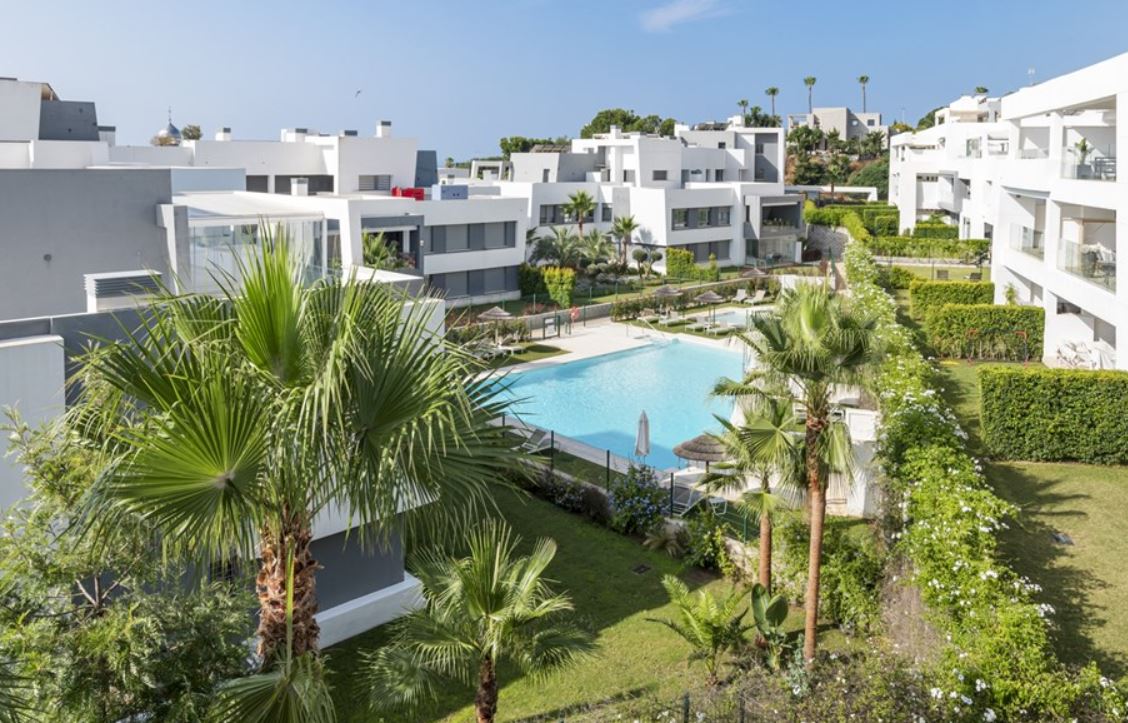
- Communal Pool
- Covered terrace
- Excellent condition
- Fitted wardrobes
- Fully fitted kitchen
- Gated community
- Gym
- Lift
- Mountain view
- No Garage
- Panoramic view
- Private Garden
- Private terrace
- Sea view
- Solarium
- Storage room
- Transport near
- Unfurnished
- Urban view
- Utility room
Annual taxes & community costs
- IBI: 434 euros
- Rubish tax: 129 euros
- Community fees: 189 euros
Proximities in Estepona Centre, Estepona

- San José School Guadalmina: 16 Km
- Atalaya International College: 19 Km

- Hospiten Estepona: 9 Km
- Hospital de Alta Resolución de Estepona (Public): 11 Km

- Puerto Banús: 22 Km
- Sotogrande: 30 Km
- Marbella: 32 Km
- Gibraltar: 48 Km
- Málaga: 91 Km

- San José School Estepona: 3 Km
8 Reasons to Buy a Home in Estepona in 2026
Lifestyle, Investment, and Quality on the Costa del Sol If you're considering buying a home on Spain’s Costa del Sol, Marbella has likely already caught your attention. However, there’s another town that is quietly becoming one of the most solid and attractive real estate markets in s outhern Spain: Estepona . With steady growth, major urban transformation, and a perfect balance between modern luxury and authentic Andalusian charm, Estepona offers something few destinations can deliver — genuine quality of life combined with strong appreciation potential. From our real estate agency on the Costa del Sol here are 8 reasons why buying a home in Estepona could be one of the smartest personal and financial decisions you make this year. 1. A Historic Old Town That Captivates from the First Walk Estepona is known as “ The Garden of the Costa del Sol ,” and a stroll through its historic center makes it easy to see why. Immaculate whitewashed streets, balconies overflowing with geraniums, charming plazas, and quiet corners where life moves at a slower pace. Landmarks such as Plaza de las Flores, the Church of Santa María de los Remedios, and the San Luis Castle add character and authenticity. Unlike more saturated destinations, Estepona has revitalized its old town without losing its soul . Living here means having authentic Andalusian culture right outside your door. .klarium-cta-box { display: flex; align-items: stretch; max-width: 860px; margin: 40px auto; border: 1px solid #e0dbd3; overflow: hidden; font-family: 'Nunito Sans', sans-serif; } .klarium-cta-img { flex: 0 0 40%; min-height: 240px; background-size: cover; background-position: center; } .klarium-cta-body { flex: 1; background: #f7f5f2; padding: 36px 40px; display: flex; flex-direction: column; justify-content: center; } .klarium-cta-label { font-size: 0.75rem; font-weight: 600; letter-spacing: 0.12em; text-transform: uppercase; color: #8E424C; margin: 0 0 10px 0; } .klarium-cta-title { font-family: 'Nunito Sans', sans-serif; font-size: 1.35rem; font-weight: 700; color: #1a1a1a; margin: 0 0 12px 0; line-height: 1.3; } .klarium-cta-text { font-size: 0.9rem; font-weight: 300; color: #4a4a4a; line-height: 1.7; margin: 0 0 24px 0; } .klarium-cta-btn { display: inline-block; background: #8E424C; color: #ffffff; text-decoration: none; font-size: 0.75rem; font-weight: 700; letter-spacing: 0.12em; text-transform: uppercase; padding: 13px 28px; align-self: flex-start; transition: background 0.3s ease; } .klarium-cta-btn:hover { background: #1a1a1a; color: #ffffff; text-decoration: none; } @media (max-width: 640px) { .klarium-cta-box { flex-direction: column; } .klarium-cta-img { flex: none; width: 100%; min-height: 200px; } .klarium-cta-body { padding: 28px 24px; } .klarium-cta-title { font-size: 1.15rem; } } Estepona · Costa del Sol Invest in Estepona, the rising gem of Costa del Sol Discover our selection of rented apartments in Estepona. Properties with tenants in place, active lease contracts, and rental income from day one. View opportunities 2. 13 Miles of Beaches to Enjoy Year-Round Owning a home in Estepona means making the Mediterranean part of your everyday life. The town boasts 17 beaches stretching across 13 miles of coastline. From the popular Playa de la Rada near the town center to quieter areas along the New Golden Mile, there are options for every lifestyle. Many properties are within walking distance of the beach — a feature that not only enhances quality of life but also significantly increases rental and resale appeal. .klarium-cta-box { display: flex; align-items: stretch; max-width: 860px; margin: 40px auto; border: 1px solid #e0dbd3; overflow: hidden; font-family: 'Nunito Sans', sans-serif; } .klarium-cta-img { flex: 0 0 40%; min-height: 240px; background-size: cover; background-position: center; } .klarium-cta-body { flex: 1; background: #f7f5f2; padding: 36px 40px; display: flex; flex-direction: column; justify-content: center; } .klarium-cta-label { font-size: 0.75rem; font-weight: 600; letter-spacing: 0.12em; text-transform: uppercase; color: #8E424C; margin: 0 0 10px 0; } .klarium-cta-title { font-family: 'Nunito Sans', sans-serif; font-size: 1.35rem; font-weight: 700; color: #1a1a1a; margin: 0 0 12px 0; line-height: 1.3; } .klarium-cta-text { font-size: 0.9rem; font-weight: 300; color: #4a4a4a; line-height: 1.7; margin: 0 0 24px 0; } .klarium-cta-btn { display: inline-block; background: #8E424C; color: #ffffff; text-decoration: none; font-size: 0.75rem; font-weight: 700; letter-spacing: 0.12em; text-transform: uppercase; padding: 13px 28px; align-self: flex-start; transition: background 0.3s ease; } .klarium-cta-btn:hover { background: #1a1a1a; color: #ffffff; text-decoration: none; } @media (max-width: 640px) { .klarium-cta-box { flex-direction: column; } .klarium-cta-img { flex: none; width: 100%; min-height: 200px; } .klarium-cta-body { padding: 28px 24px; } .klarium-cta-title { font-size: 1.15rem; } } Villas · Estepona Luxury villas in Estepona with premium investment potential Discover our exclusive selection of luxury villas in Estepona. Premium properties designed for discerning investors seeking high-value assets with strong rental demand and appreciation potential. View villas 3. Mediterranean Climate and a Healthier Lifestyle With over 320 days of sunshine per year and mild winters , Estepona allows residents to enjoy outdoor living almost year-round. Life here happens on terraces, seaside promenades, and golf courses. The climate encourages physical activity, well-being, and a more relaxed daily rhythm. For international buyers, this is a key factor: it’s not just about purchasing a property — it’s about upgrading your lifestyle. 4. Exclusive Residential Areas with Strong Growth Potential The coastal stretch connecting San Pedro to Estepona — known as the New Golden Mile — has become one of the most desirable areas for luxury residential development. In East Estepona, sought-after areas include: Los Flamingos Golf El Paraíso Bel-Air Cancelada In West Estepona, communities such as Valle Romano, Estepona Golf, and contemporary beachfront developments offer high-end properties with strong appreciation potential. The combination of privacy, modern design, and well-planned surroundings makes these areas ideal for both primary residences and investment properties. .klarium-cta-box { display: flex; align-items: stretch; max-width: 860px; margin: 40px auto; border: 1px solid #e0dbd3; overflow: hidden; font-family: 'Nunito Sans', sans-serif; } .klarium-cta-img { flex: 0 0 40%; min-height: 240px; background-size: cover; background-position: center; } .klarium-cta-body { flex: 1; background: #f7f5f2; padding: 36px 40px; display: flex; flex-direction: column; justify-content: center; } .klarium-cta-label { font-size: 0.75rem; font-weight: 600; letter-spacing: 0.12em; text-transform: uppercase; color: #8E424C; margin: 0 0 10px 0; } .klarium-cta-title { font-family: 'Nunito Sans', sans-serif; font-size: 1.35rem; font-weight: 700; color: #1a1a1a; margin: 0 0 12px 0; line-height: 1.3; } .klarium-cta-text { font-size: 0.9rem; font-weight: 300; color: #4a4a4a; line-height: 1.7; margin: 0 0 24px 0; } .klarium-cta-btn { display: inline-block; background: #8E424C; color: #ffffff; text-decoration: none; font-size: 0.75rem; font-weight: 700; letter-spacing: 0.12em; text-transform: uppercase; padding: 13px 28px; align-self: flex-start; transition: background 0.3s ease; } .klarium-cta-btn:hover { background: #1a1a1a; color: #ffffff; text-decoration: none; } @media (max-width: 640px) { .klarium-cta-box { flex-direction: column; } .klarium-cta-img { flex: none; width: 100%; min-height: 200px; } .klarium-cta-body { padding: 28px 24px; } .klarium-cta-title { font-size: 1.15rem; } } Apartments · Estepona Modern apartments in Estepona with guaranteed returns Explore our curated collection of modern apartments in Estepona. Each property features professional management, verified tenants, and consistent monthly rental income. Explore apartments 5. Urban Transformation and High-Impact Development Projects Estepona isn’t just growing — it’s evolving strategically. The town has invested heavily in infrastructure, public spaces, and urban renewal. Projects such as the new San Lorenzo Boulevard will strengthen the connection between the town center and the waterfront, adding pedestrian zones, commercial spaces, and underground parking. In addition, large-scale cultural and entertainment initiatives are placing Estepona firmly on the international map , boosting the local economy and reinforcing the real estate market. Consistent public investment is one of the main drivers behind Estepona’s long-term stability and growth outlook. @import url('https://fonts.googleapis.com/css2?family=Cormorant+Garamond:ital,wght@0,400;0,600;1,400;1,600&family=Montserrat:wght@300;400;500&display=swap'); .cta-block { border: 1px solid #e0ddd8; border-radius: 10px; padding: 2rem 2.5rem; background: #fff; display: flex; flex-direction: column; gap: 1rem; max-width: 720px; margin: 2rem 0; position: relative; overflow: hidden; } .cta-block::before { content: ''; position: absolute; top: 0; left: 0; width: 4px; height: 100%; background: #8E424C; } .cta-eyebrow { font-family: 'Montserrat', sans-serif; font-size: 10px; font-weight: 500; letter-spacing: 0.18em; text-transform: uppercase; color: #8E424C; } .cta-title { font-family: 'Cormorant Garamond', Georgia, serif; font-size: 26px; font-weight: 600; line-height: 1.3; color: #1a1a1a; margin: 0; } .cta-title em { font-style: italic; color: #8E424C; font-weight: 600; } .cta-desc { font-family: 'Montserrat', sans-serif; font-size: 13px; font-weight: 300; color: #666; line-height: 1.6; margin: 0; } .cta-btn { display: inline-flex; align-items: center; gap: 10px; margin-top: 0.5rem; font-family: 'Montserrat', sans-serif; font-size: 11px; font-weight: 500; letter-spacing: 0.12em; text-transform: uppercase; color: #fff; background: #8E424C; padding: 12px 24px; border-radius: 2px; text-decoration: none; width: fit-content; } You might also like Looking for the best addresses in Marbella? 7 luxury developments worth knowing Estepona has its charm, but Marbella remains the benchmark for luxury living on the Costa del Sol. Discover the seven most sought-after residential developments in the area right now. Read the article → 6. Luxury Hotels and Premium Services Elevating Property Values The arrival of five-star resorts and high-end hotels has reinforced Estepona’s image as a luxury destination. These establishments attract affluent tourism, create employment opportunities, and increase demand for second homes. In real estate terms, this typically translates into rising property values and further consolidation of the luxury segment. .klarium-cta-box { display: flex; align-items: stretch; max-width: 860px; margin: 40px auto; border: 1px solid #e0dbd3; overflow: hidden; font-family: 'Nunito Sans', sans-serif; } .klarium-cta-img { flex: 0 0 40%; min-height: 240px; background-size: cover; background-position: center; } .klarium-cta-body { flex: 1; background: #f7f5f2; padding: 36px 40px; display: flex; flex-direction: column; justify-content: center; } .klarium-cta-label { font-size: 0.75rem; font-weight: 600; letter-spacing: 0.12em; text-transform: uppercase; color: #8E424C; margin: 0 0 10px 0; } .klarium-cta-title { font-family: 'Nunito Sans', sans-serif; font-size: 1.35rem; font-weight: 700; color: #1a1a1a; margin: 0 0 12px 0; line-height: 1.3; } .klarium-cta-text { font-size: 0.9rem; font-weight: 300; color: #4a4a4a; line-height: 1.7; margin: 0 0 24px 0; } .klarium-cta-btn { display: inline-block; background: #8E424C; color: #ffffff; text-decoration: none; font-size: 0.75rem; font-weight: 700; letter-spacing: 0.12em; text-transform: uppercase; padding: 13px 28px; align-self: flex-start; transition: background 0.3s ease; } .klarium-cta-btn:hover { background: #1a1a1a; color: #ffffff; text-decoration: none; } @media (max-width: 640px) { .klarium-cta-box { flex-direction: column; } .klarium-cta-img { flex: none; width: 100%; min-height: 200px; } .klarium-cta-body { padding: 28px 24px; } .klarium-cta-title { font-size: 1.15rem; } } Estepona · Costa del Sol Invest in Estepona, the rising gem of Costa del Sol Discover our selection of rented apartments in Estepona. Properties with tenants in place, active lease contracts, and rental income from day one. View opportunities 7. A Strong Real Estate Market with Appreciation Potential Estepona’s property market continues to show consistent demand from both domestic and international buyers. Key indicators include: Sustained sales growth High demand for both short-term vacation rentals and long-term leases Limited prime land availability Continuous new development projects Compared to Marbella, property prices remain more competitive, offering greater room for mid- and long-term appreciation. Many investors see Estepona as being in an active growth phase — making it a strategic entry point into the Costa del Sol market. Klarium Living: Our real estate agency on the Costa del Sol can help you with this process. 8. The Perfect Balance Between Tranquility and Connectivity One of Estepona’s greatest strengths is its atmosphere. Although it is just 20–30 minutes from Marbella and well connected to Málaga International Airport and Gibraltar, the pace of life here is noticeably different — calmer, more residential, more authentic. It’s ideal for those who want access to Marbella’s glamour without living in the middle of it. That balance — connectivity combined with peace — is rare among coastal destinations. Frequently Asked Questions About Buying Property in Estepona .klarium-cta-box { display: flex; align-items: stretch; max-width: 860px; margin: 40px auto; border: 1px solid #e0dbd3; overflow: hidden; font-family: 'Nunito Sans', sans-serif; } .klarium-cta-img { flex: 0 0 40%; min-height: 240px; background: #1a1a1a; display: flex; align-items: center; justify-content: center; padding: 40px; } .klarium-cta-img img { width: 100%; max-width: 200px; } .klarium-cta-body { flex: 1; background: #f7f5f2; padding: 36px 40px; display: flex; flex-direction: column; justify-content: center; } .klarium-cta-label { font-size: 0.75rem; font-weight: 600; letter-spacing: 0.12em; text-transform: uppercase; color: #8E424C; margin: 0 0 10px 0; } .klarium-cta-title { font-family: 'Nunito Sans', sans-serif; font-size: 1.35rem; font-weight: 700; color: #1a1a1a; margin: 0 0 12px 0; line-height: 1.3; } .klarium-cta-text { font-size: 0.9rem; font-weight: 300; color: #4a4a4a; line-height: 1.7; margin: 0 0 24px 0; } .klarium-cta-btn { display: inline-block; background: #8E424C; color: #ffffff; text-decoration: none; font-size: 0.75rem; font-weight: 700; letter-spacing: 0.12em; text-transform: uppercase; padding: 13px 28px; align-self: flex-start; transition: background 0.3s ease; } .klarium-cta-btn:hover { background: #1a1a1a; color: #ffffff; text-decoration: none; } @media (max-width: 640px) { .klarium-cta-box { flex-direction: column; } .klarium-cta-img { flex: none; width: 100%; min-height: 180px; padding: 30px; } .klarium-cta-body { padding: 28px 24px; } .klarium-cta-title { font-size: 1.15rem; } } Real Estate · Costa del Sol Klarium Living, your real estate agency on the Costa del Sol Specialists in properties with tenants in place and guaranteed rental income in Málaga, Marbella and across the Costa del Sol. No agency fees on many of our transactions. Discover Klarium
Similar properties in Estepona Centre, Estepona
57 Exclusive Sea-View Apartments in Estepona’s Prestigious New Golden Mile
This exclusive development redefines modern coastal living, combining contemporary architecture, premium amenities, and a prime sea-facing location. 2 to 4-Bedroom Layouts – 7 versatile floor plans to suit every lifestyle with panoramic Sea Views. Every apartment offers uninterrupted views of the Mediterranean. Ground Floor Homes with Expansive Gardens, Penthouses with Private Solariums, and Duplex Penthouses with modern, Fully Equipped Kitchens and Bathrooms, built-in Wardrobes for Maximum functionality, 2 Underground Parking Spaces & 1 Storage Room Included. Adjacent to the Luxury Apartments we will have a 36,000sqm2 a state-of-the-art sports complex that will offer: gourmet Restaurants, Full Size Indoor Lap Pool, Spa, Indoor & Outdoor Gym, Paddle and Tennis Courts, 4+ Commercial Stores & Much More, all designed to complement and elevate your daily life. This is more than a home—it's a holistic lifestyle destination. With exceptional architecture, meticulous interior design, and a focus on sustainability and well-being, this development brings a new standard of luxury to the Costa del Sol.
57 Exclusive Sea-View Apartments in Estepona’s Prestigious New Golden Mile
This exclusive development redefines modern coastal living, combining contemporary architecture, premium amenities, and a prime sea-facing location. 2 to 4-Bedroom Layouts – 7 versatile floor plans to suit every lifestyle with panoramic Sea Views. Every apartment offers uninterrupted views of the Mediterranean. Elevated Ground Floor Homes with Expansive Gardens, Penthouses with Private Solariums, and Duplex Penthouses with modern, Fully Equipped Kitchens and Bathrooms, built-in Wardrobes for Maximum functionality. 2 Underground Parking Spaces & 1 Storage Room Included. Adjacent to the Luxury Apartments we will have a 36,000sqm2 a state-of-the-art sports complex that will offer: gourmet Restaurants, Full Size Indoor Lap Pool, Spa, Indoor & Outdoor Gym, Paddle and Tennis Courts, 4+ Commercial Stores & Much More, all designed to complement and elevate your daily lifestyle. This is more than a home—it's a holistic lifestyle destination. With exceptional architecture, meticulous interior design, and a focus on sustainability and well-being, this development brings a new standard of luxury to the Costa del Sol.
Fantastic south west facing three-bedroom duplex penthouse located in the prestigious gated beachfront community of Menara Beach, Estepona
Bright and spacious, south west facing three-bedroom duplex penthouse located in the prestigious gated beachfront community of Menara Beach, New Golden Mile, Estepona East. The complex is just a ten-minute drive to Puerto Banus and close to shops, restaurants, and all amenities. Menara Beach features beautifully maintained tropical gardens, an outdoor communal swimming pool, an indoor heated pool, and a gymnasium. The property offers a bright open-plan living and dining area with patio doors leading to a private terrace with lovely sea views, a fully fitted kitchen with breakfast bar, a guest suite with terrace access, an additional guest bedroom, and a guest bathroom. Upstairs, the spacious master suite boasts vaulted ceilings as well as access to two large terraces including a BBQ area and stunning views of the community and the sea. Further features include fitted wardrobes, marble floors, hot and cold air conditioning, underfloor heating throughout, private parking, and a storeroom.
57 Exclusive Sea-View Apartments in Estepona’s Prestigious New Golden Mile
This exclusive development redefines modern coastal living, combining contemporary architecture, premium amenities, and a prime sea-facing location. 2 to 4-Bedroom Layouts – 7 versatile floor plans to suit every lifestyle with panoramic Sea Views. Every apartment offers uninterrupted views of the Mediterranean. Elevated Ground Floor Homes with Expansive Gardens, Penthouses with Private Solariums, and Duplex Penthouses with modern, Fully Equipped Kitchens and Bathrooms, built-in Wardrobes for Maximum functionality. 2 Underground Parking Spaces & 1 Storage Room Included. Adjacent to the Luxury Apartments we will have a 36,000sqm2 a state-of-the-art sports complex that will offer: gourmet Restaurants, Full Size Indoor Lap Pool, Spa, Indoor & Outdoor Gym, Paddle and Tennis Courts, 4+ Commercial Stores & Much More, all designed to complement and elevate your daily lifestyle. This is more than a home—it's a holistic lifestyle destination. With exceptional architecture, meticulous interior design, and a focus on sustainability and well-being, this development brings a new standard of luxury to the Costa del Sol.
Luxury Penthouse with Rooftop Jacuzzi & Panoramic Sea Views – 115 m² Terraces | Estepona
WHY THIS PROPERTY STANDS OUT This is not just another penthouse. It’s a fully ready lifestyle property combining privacy, views, and resort-style living in one of Estepona’s most sought-after areas. KEY FEATURES -private rooftop terrace with jacuzzi and Gibraltar views -over 115 m² of outdoor living space -fully furnished (2025) – turnkey ready -high-end finishes throughout -located in a modern, gated development in Las Mesas THE PROPERTY A spacious, light-filled penthouse designed to maximize indoor-outdoor living. Floor-to-ceiling windows seamlessly connect the interior with expansive terraces, creating a natural extension of the living space. The layout offers both privacy in the bedroom area and an open, elegant living zone ideal for entertaining. LIFESTYLE Morning coffee with sea views. Sunsets from your private rooftop. Evenings in the jacuzzi under the open sky. This is a property for buyers who are not just purchasing space—but an experience. LOCATION Las Mesas, Estepona – a fast-growing premium area: -minutes to the marina and town center -close to beaches -modern residential setting SUMMARY A rare opportunity in this segment-ideal as a luxury second home, high-end investment, or lifestyle residence. Book your private viewing!
Sea View Luxury Penthouse - Newly Renovated on the Beach Side New Golden Mile
Where the horizon meets the sea and every sunrise feels like a fresh beginning — welcome to your private sanctuary on Estepona’s New Golden Mile. Luxury redefined by the sea. Set within the secure gates of Las Salinas, this exquisite newly renovated beachside duplex penthouse with panoramic sea views spans 156 m² of bright interiors complemented by 65 m² of private terraces. The inviting living area opens toward a south‑facing terrace where glass doors frame panoramic sea views and the rhythm of the waves set the tone for the day, forming an effortless connection to the coast. Upstairs, the expansive rooftop terrace becomes your private retreat in the sky — the perfect place to share meals with friends, unwind beneath the stars, or simply take in the views. The residence offers three serene bedrooms, refined finishes, and a layout that balances clean architectural lines with a warm, inviting atmosphere. Residents enjoy premium amenities including outdoor pools, indoor heated pool, gym, sauna, library, and 24‑hour security. Perfectly positioned just steps from Estepona’s best beaches and within walking distance of restaurants, cafés, and local conveniences, this home delivers the essence of coastal sophistication and places you at the heart of one of the most desirable seaside enclaves on the New Golden Mile. With private parking and storage, it’s a turn‑key opportunity to embrace a lifestyle of modern luxury by the Mediterranean.
