Set high above the coastline, this exceptional penthouse offers uninterrupted sea vistas that stretch endlessly across the horizon. Located within the exclusive beachfront enclave of Bahía del Velerín, the residence enjoys privacy, tranquility, and the reassurance of round-the-clock security, along with immediate access to golden sands.
The interior has been thoughtfully redesigned to combine contemporary elegance with comfort. The expansive living space flows effortlessly, featuring a stylish fireplace, a refined dining area, and a sleek, fully fitted kitchen designed for modern living. The home comprises three beautifully proportioned bedrooms, including an indulgent principal suite complete with its own bathroom and walk-in dressing area, as well as additional bathrooms finished to a high standard.
Crowning the property is an extraordinary rooftop terrace that elevates outdoor living to a new level. Designed as a private retreat, this space boasts a fully equipped outdoor kitchen, multiple lounge and dining zones, a private fitness area, and a sauna — all framed by spectacular views over the Mediterranean Sea.
The surrounding area of Estepona perfectly balances relaxed seaside living with authentic Andalusian charm. Known for its picturesque old town, vibrant floral displays, and inviting plazas, the town offers an excellent choice of restaurants, cafés, boutiques, and cultural attractions, creating a lively yet laid-back atmosphere throughout the year.
This is a rare chance to secure a truly distinctive home in one of the most coveted settings along the Costa del Sol, ideal for those seeking refined coastal living with first-class amenities and timeless appeal.
Characteristics
- Air conditioning
- Amenities near
- Beach Side
- Brand new
- Close to children playground
- Close to golf
- Close to port
- Close to restaurants
- Close to schools
- Close to sea / beach
- Close to shops
- Close to town
- Communal Garage
- Communal Pool
- Covered terrace
- Direct sea access
- Fireplace
- Front line beach
- Fully furnished
- Garden view
- Gated community
- Glass Doors
- Gym
- Lift
- No Garden
- Panoramic view
- Private terrace
- Sauna
- Sea view
- Security service 24h
- SPA
Annual taxes & community costs
- IBI: 1.233 euros
- Rubish tax: 171 euros
- Community fees: 703 euros
Proximities in Bahía del Velerín, Estepona

- San José School Guadalmina: 8 Km
- Atalaya International College: 10 Km

- Hospiten Estepona: 2 Km
- Hospital de Alta Resolución de Estepona (Public): 15 Km

- Estepona: 8 Km
- Puerto Banús: 13 Km
- Marbella: 23 Km
- Gibraltar: 56 Km

- San José School Estepona: 7 Km
8 Reasons to Buy a Home in Estepona in 2026
Lifestyle, Investment, and Quality on the Costa del Sol If you're considering buying a home on Spain’s Costa del Sol, Marbella has likely already caught your attention. However, there’s another town that is quietly becoming one of the most solid and attractive real estate markets in s outhern Spain: Estepona . With steady growth, major urban transformation, and a perfect balance between modern luxury and authentic Andalusian charm, Estepona offers something few destinations can deliver — genuine quality of life combined with strong appreciation potential. From our real estate agency on the Costa del Sol here are 8 reasons why buying a home in Estepona could be one of the smartest personal and financial decisions you make this year. 1. A Historic Old Town That Captivates from the First Walk Estepona is known as “ The Garden of the Costa del Sol ,” and a stroll through its historic center makes it easy to see why. Immaculate whitewashed streets, balconies overflowing with geraniums, charming plazas, and quiet corners where life moves at a slower pace. Landmarks such as Plaza de las Flores, the Church of Santa María de los Remedios, and the San Luis Castle add character and authenticity. Unlike more saturated destinations, Estepona has revitalized its old town without losing its soul . Living here means having authentic Andalusian culture right outside your door. .klarium-cta-box { display: flex; align-items: stretch; max-width: 860px; margin: 40px auto; border: 1px solid #e0dbd3; overflow: hidden; font-family: 'Nunito Sans', sans-serif; } .klarium-cta-img { flex: 0 0 40%; min-height: 240px; background-size: cover; background-position: center; } .klarium-cta-body { flex: 1; background: #f7f5f2; padding: 36px 40px; display: flex; flex-direction: column; justify-content: center; } .klarium-cta-label { font-size: 0.75rem; font-weight: 600; letter-spacing: 0.12em; text-transform: uppercase; color: #8E424C; margin: 0 0 10px 0; } .klarium-cta-title { font-family: 'Nunito Sans', sans-serif; font-size: 1.35rem; font-weight: 700; color: #1a1a1a; margin: 0 0 12px 0; line-height: 1.3; } .klarium-cta-text { font-size: 0.9rem; font-weight: 300; color: #4a4a4a; line-height: 1.7; margin: 0 0 24px 0; } .klarium-cta-btn { display: inline-block; background: #8E424C; color: #ffffff; text-decoration: none; font-size: 0.75rem; font-weight: 700; letter-spacing: 0.12em; text-transform: uppercase; padding: 13px 28px; align-self: flex-start; transition: background 0.3s ease; } .klarium-cta-btn:hover { background: #1a1a1a; color: #ffffff; text-decoration: none; } @media (max-width: 640px) { .klarium-cta-box { flex-direction: column; } .klarium-cta-img { flex: none; width: 100%; min-height: 200px; } .klarium-cta-body { padding: 28px 24px; } .klarium-cta-title { font-size: 1.15rem; } } Estepona · Costa del Sol Invest in Estepona, the rising gem of Costa del Sol Discover our selection of rented apartments in Estepona. Properties with tenants in place, active lease contracts, and rental income from day one. View opportunities 2. 13 Miles of Beaches to Enjoy Year-Round Owning a home in Estepona means making the Mediterranean part of your everyday life. The town boasts 17 beaches stretching across 13 miles of coastline. From the popular Playa de la Rada near the town center to quieter areas along the New Golden Mile, there are options for every lifestyle. Many properties are within walking distance of the beach — a feature that not only enhances quality of life but also significantly increases rental and resale appeal. .klarium-cta-box { display: flex; align-items: stretch; max-width: 860px; margin: 40px auto; border: 1px solid #e0dbd3; overflow: hidden; font-family: 'Nunito Sans', sans-serif; } .klarium-cta-img { flex: 0 0 40%; min-height: 240px; background-size: cover; background-position: center; } .klarium-cta-body { flex: 1; background: #f7f5f2; padding: 36px 40px; display: flex; flex-direction: column; justify-content: center; } .klarium-cta-label { font-size: 0.75rem; font-weight: 600; letter-spacing: 0.12em; text-transform: uppercase; color: #8E424C; margin: 0 0 10px 0; } .klarium-cta-title { font-family: 'Nunito Sans', sans-serif; font-size: 1.35rem; font-weight: 700; color: #1a1a1a; margin: 0 0 12px 0; line-height: 1.3; } .klarium-cta-text { font-size: 0.9rem; font-weight: 300; color: #4a4a4a; line-height: 1.7; margin: 0 0 24px 0; } .klarium-cta-btn { display: inline-block; background: #8E424C; color: #ffffff; text-decoration: none; font-size: 0.75rem; font-weight: 700; letter-spacing: 0.12em; text-transform: uppercase; padding: 13px 28px; align-self: flex-start; transition: background 0.3s ease; } .klarium-cta-btn:hover { background: #1a1a1a; color: #ffffff; text-decoration: none; } @media (max-width: 640px) { .klarium-cta-box { flex-direction: column; } .klarium-cta-img { flex: none; width: 100%; min-height: 200px; } .klarium-cta-body { padding: 28px 24px; } .klarium-cta-title { font-size: 1.15rem; } } Villas · Estepona Luxury villas in Estepona with premium investment potential Discover our exclusive selection of luxury villas in Estepona. Premium properties designed for discerning investors seeking high-value assets with strong rental demand and appreciation potential. View villas 3. Mediterranean Climate and a Healthier Lifestyle With over 320 days of sunshine per year and mild winters , Estepona allows residents to enjoy outdoor living almost year-round. Life here happens on terraces, seaside promenades, and golf courses. The climate encourages physical activity, well-being, and a more relaxed daily rhythm. For international buyers, this is a key factor: it’s not just about purchasing a property — it’s about upgrading your lifestyle. 4. Exclusive Residential Areas with Strong Growth Potential The coastal stretch connecting San Pedro to Estepona — known as the New Golden Mile — has become one of the most desirable areas for luxury residential development. In East Estepona, sought-after areas include: Los Flamingos Golf El Paraíso Bel-Air Cancelada In West Estepona, communities such as Valle Romano, Estepona Golf, and contemporary beachfront developments offer high-end properties with strong appreciation potential. The combination of privacy, modern design, and well-planned surroundings makes these areas ideal for both primary residences and investment properties. .klarium-cta-box { display: flex; align-items: stretch; max-width: 860px; margin: 40px auto; border: 1px solid #e0dbd3; overflow: hidden; font-family: 'Nunito Sans', sans-serif; } .klarium-cta-img { flex: 0 0 40%; min-height: 240px; background-size: cover; background-position: center; } .klarium-cta-body { flex: 1; background: #f7f5f2; padding: 36px 40px; display: flex; flex-direction: column; justify-content: center; } .klarium-cta-label { font-size: 0.75rem; font-weight: 600; letter-spacing: 0.12em; text-transform: uppercase; color: #8E424C; margin: 0 0 10px 0; } .klarium-cta-title { font-family: 'Nunito Sans', sans-serif; font-size: 1.35rem; font-weight: 700; color: #1a1a1a; margin: 0 0 12px 0; line-height: 1.3; } .klarium-cta-text { font-size: 0.9rem; font-weight: 300; color: #4a4a4a; line-height: 1.7; margin: 0 0 24px 0; } .klarium-cta-btn { display: inline-block; background: #8E424C; color: #ffffff; text-decoration: none; font-size: 0.75rem; font-weight: 700; letter-spacing: 0.12em; text-transform: uppercase; padding: 13px 28px; align-self: flex-start; transition: background 0.3s ease; } .klarium-cta-btn:hover { background: #1a1a1a; color: #ffffff; text-decoration: none; } @media (max-width: 640px) { .klarium-cta-box { flex-direction: column; } .klarium-cta-img { flex: none; width: 100%; min-height: 200px; } .klarium-cta-body { padding: 28px 24px; } .klarium-cta-title { font-size: 1.15rem; } } Apartments · Estepona Modern apartments in Estepona with guaranteed returns Explore our curated collection of modern apartments in Estepona. Each property features professional management, verified tenants, and consistent monthly rental income. Explore apartments 5. Urban Transformation and High-Impact Development Projects Estepona isn’t just growing — it’s evolving strategically. The town has invested heavily in infrastructure, public spaces, and urban renewal. Projects such as the new San Lorenzo Boulevard will strengthen the connection between the town center and the waterfront, adding pedestrian zones, commercial spaces, and underground parking. In addition, large-scale cultural and entertainment initiatives are placing Estepona firmly on the international map , boosting the local economy and reinforcing the real estate market. Consistent public investment is one of the main drivers behind Estepona’s long-term stability and growth outlook. @import url('https://fonts.googleapis.com/css2?family=Cormorant+Garamond:ital,wght@0,400;0,600;1,400;1,600&family=Montserrat:wght@300;400;500&display=swap'); .cta-block { border: 1px solid #e0ddd8; border-radius: 10px; padding: 2rem 2.5rem; background: #fff; display: flex; flex-direction: column; gap: 1rem; max-width: 720px; margin: 2rem 0; position: relative; overflow: hidden; } .cta-block::before { content: ''; position: absolute; top: 0; left: 0; width: 4px; height: 100%; background: #8E424C; } .cta-eyebrow { font-family: 'Montserrat', sans-serif; font-size: 10px; font-weight: 500; letter-spacing: 0.18em; text-transform: uppercase; color: #8E424C; } .cta-title { font-family: 'Cormorant Garamond', Georgia, serif; font-size: 26px; font-weight: 600; line-height: 1.3; color: #1a1a1a; margin: 0; } .cta-title em { font-style: italic; color: #8E424C; font-weight: 600; } .cta-desc { font-family: 'Montserrat', sans-serif; font-size: 13px; font-weight: 300; color: #666; line-height: 1.6; margin: 0; } .cta-btn { display: inline-flex; align-items: center; gap: 10px; margin-top: 0.5rem; font-family: 'Montserrat', sans-serif; font-size: 11px; font-weight: 500; letter-spacing: 0.12em; text-transform: uppercase; color: #fff; background: #8E424C; padding: 12px 24px; border-radius: 2px; text-decoration: none; width: fit-content; } You might also like Looking for the best addresses in Marbella? 7 luxury developments worth knowing Estepona has its charm, but Marbella remains the benchmark for luxury living on the Costa del Sol. Discover the seven most sought-after residential developments in the area right now. Read the article → 6. Luxury Hotels and Premium Services Elevating Property Values The arrival of five-star resorts and high-end hotels has reinforced Estepona’s image as a luxury destination. These establishments attract affluent tourism, create employment opportunities, and increase demand for second homes. In real estate terms, this typically translates into rising property values and further consolidation of the luxury segment. .klarium-cta-box { display: flex; align-items: stretch; max-width: 860px; margin: 40px auto; border: 1px solid #e0dbd3; overflow: hidden; font-family: 'Nunito Sans', sans-serif; } .klarium-cta-img { flex: 0 0 40%; min-height: 240px; background-size: cover; background-position: center; } .klarium-cta-body { flex: 1; background: #f7f5f2; padding: 36px 40px; display: flex; flex-direction: column; justify-content: center; } .klarium-cta-label { font-size: 0.75rem; font-weight: 600; letter-spacing: 0.12em; text-transform: uppercase; color: #8E424C; margin: 0 0 10px 0; } .klarium-cta-title { font-family: 'Nunito Sans', sans-serif; font-size: 1.35rem; font-weight: 700; color: #1a1a1a; margin: 0 0 12px 0; line-height: 1.3; } .klarium-cta-text { font-size: 0.9rem; font-weight: 300; color: #4a4a4a; line-height: 1.7; margin: 0 0 24px 0; } .klarium-cta-btn { display: inline-block; background: #8E424C; color: #ffffff; text-decoration: none; font-size: 0.75rem; font-weight: 700; letter-spacing: 0.12em; text-transform: uppercase; padding: 13px 28px; align-self: flex-start; transition: background 0.3s ease; } .klarium-cta-btn:hover { background: #1a1a1a; color: #ffffff; text-decoration: none; } @media (max-width: 640px) { .klarium-cta-box { flex-direction: column; } .klarium-cta-img { flex: none; width: 100%; min-height: 200px; } .klarium-cta-body { padding: 28px 24px; } .klarium-cta-title { font-size: 1.15rem; } } Estepona · Costa del Sol Invest in Estepona, the rising gem of Costa del Sol Discover our selection of rented apartments in Estepona. Properties with tenants in place, active lease contracts, and rental income from day one. View opportunities 7. A Strong Real Estate Market with Appreciation Potential Estepona’s property market continues to show consistent demand from both domestic and international buyers. Key indicators include: Sustained sales growth High demand for both short-term vacation rentals and long-term leases Limited prime land availability Continuous new development projects Compared to Marbella, property prices remain more competitive, offering greater room for mid- and long-term appreciation. Many investors see Estepona as being in an active growth phase — making it a strategic entry point into the Costa del Sol market. Klarium Living: Our real estate agency on the Costa del Sol can help you with this process. 8. The Perfect Balance Between Tranquility and Connectivity One of Estepona’s greatest strengths is its atmosphere. Although it is just 20–30 minutes from Marbella and well connected to Málaga International Airport and Gibraltar, the pace of life here is noticeably different — calmer, more residential, more authentic. It’s ideal for those who want access to Marbella’s glamour without living in the middle of it. That balance — connectivity combined with peace — is rare among coastal destinations. Frequently Asked Questions About Buying Property in Estepona .klarium-cta-box { display: flex; align-items: stretch; max-width: 860px; margin: 40px auto; border: 1px solid #e0dbd3; overflow: hidden; font-family: 'Nunito Sans', sans-serif; } .klarium-cta-img { flex: 0 0 40%; min-height: 240px; background: #1a1a1a; display: flex; align-items: center; justify-content: center; padding: 40px; } .klarium-cta-img img { width: 100%; max-width: 200px; } .klarium-cta-body { flex: 1; background: #f7f5f2; padding: 36px 40px; display: flex; flex-direction: column; justify-content: center; } .klarium-cta-label { font-size: 0.75rem; font-weight: 600; letter-spacing: 0.12em; text-transform: uppercase; color: #8E424C; margin: 0 0 10px 0; } .klarium-cta-title { font-family: 'Nunito Sans', sans-serif; font-size: 1.35rem; font-weight: 700; color: #1a1a1a; margin: 0 0 12px 0; line-height: 1.3; } .klarium-cta-text { font-size: 0.9rem; font-weight: 300; color: #4a4a4a; line-height: 1.7; margin: 0 0 24px 0; } .klarium-cta-btn { display: inline-block; background: #8E424C; color: #ffffff; text-decoration: none; font-size: 0.75rem; font-weight: 700; letter-spacing: 0.12em; text-transform: uppercase; padding: 13px 28px; align-self: flex-start; transition: background 0.3s ease; } .klarium-cta-btn:hover { background: #1a1a1a; color: #ffffff; text-decoration: none; } @media (max-width: 640px) { .klarium-cta-box { flex-direction: column; } .klarium-cta-img { flex: none; width: 100%; min-height: 180px; padding: 30px; } .klarium-cta-body { padding: 28px 24px; } .klarium-cta-title { font-size: 1.15rem; } } Real Estate · Costa del Sol Klarium Living, your real estate agency on the Costa del Sol Specialists in properties with tenants in place and guaranteed rental income in Málaga, Marbella and across the Costa del Sol. No agency fees on many of our transactions. Discover Klarium
Similar properties in Bahía del Velerín, Estepona
Penthouse for sale in Estepona, Costa del Sol
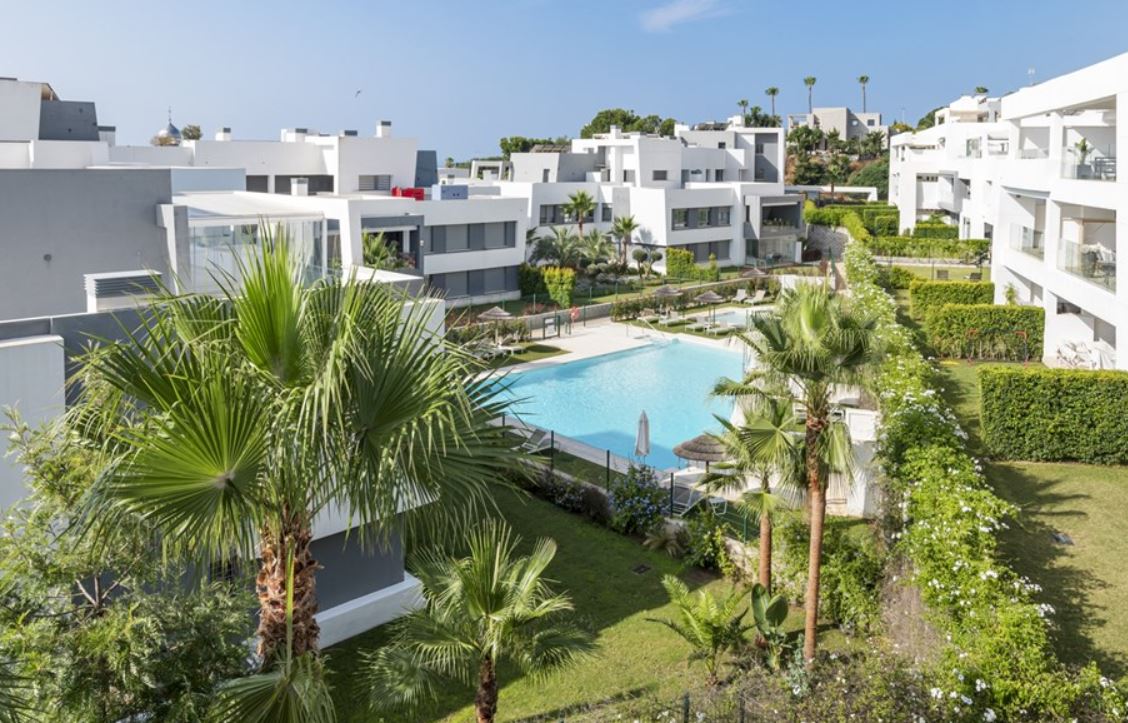
Bahía del Velerín is a luxurious community between Marbella and Estepona. It has a fantastic pool area with a snack bar, tropical gardens and 24/7 security. The community is located at one of the best beaches in the area. The apartment comes with an underground parking space and an additional storage room in the basement. This exquisite penthouse has been fully renovated, featuring an open-concept layout, sophisticated contemporary design, and high-end appliances, making it a rare find in the local market. B&O Sound System Second kitchen Wine Fridge Sauna Electric Fireplace Rooftop Terrace Jacuzzi Double Dishwasher Thermomix Dumbwaiter Every room has been thoughtfully furnished by our interior designer, showcasing luxurious details like custom wardrobes, walk-in showers, a freestanding bathtub, a Bang & Olufsen sound system, and a sleek modern fireplace. The expansive rooftop terrace offers breathtaking, unobstructed views of the Mediterranean and includes dedicated dining, wellness, and relaxation areas.
Beautifully renovated, south facing three bedroom penthouse located in prestigious beachfront community Bahia del Velerin, Estepona.
Step into Velerin 16, a breathtaking penthouse where contemporary design meets seaside luxury. This fully renovated home spans 154m² and boasts three generous bedrooms, three sophisticated bathrooms, and interiors crafted with precision—from custom wardrobes and walk-in showers to a freestanding bathtub and high-end finishes throughout. Sun-drenched terraces extend the living space outdoors, while the rooftop oasis steals the show with uninterrupted Mediterranean views, a jacuzzi, sauna, and a second gourmet kitchen equipped with every modern convenience, including a wine fridge and dumbwaiter. Nestled in the exclusive beachfront enclave of Bahía del Velerín, residents enjoy manicured gardens, a sparkling pool with snack bar, underground parking, private storage, and 24/7 security. With Marbella, Estepona, renowned golf courses, fine dining, and luxury shopping just minutes away.
Beachfront 3-Bed Apartment
Located in the highly sought-after beachfront community of Bahía del Velerín, this beautifully appointed 3-bedroom, 2-bathroom apartment offers a refined blend of Mediterranean charm, contemporary comfort, and exceptional outdoor living. Just steps from the sea and within walking distance of tennis courts, beach restaurants, and the coastal promenade, it is the perfect home for those seeking both tranquillity and convenience on the New Golden Mile. Inside, the apartment presents a bright and spacious layout with an elegant living area that opens directly onto a private balcony overlooking the gardens and offering charming sea views. The fully fitted kitchen combines functionality with modern design, while the dining and living spaces flow naturally, creating a warm and inviting atmosphere. The master bedroom is a serene retreat, complete with a walk-in closet and a stylish en-suite bathroom. Two additional bedrooms share a contemporary second bathroom, making the home ideal for families or visiting guests. One of the property’s most exceptional features is its private roof terrace, a beautifully designed outdoor sanctuary that captures the essence of Mediterranean living. With both covered and uncovered areas, it is perfect for year-round enjoyment. A private sauna, chill-out spaces, and stunning sea views make this terrace a true highlight of the home, offering the ideal setting for sunbathing, sunset dinners, or relaxing under the stars. Bahía del Velerín is known for its lush tropical gardens, large communal pool with snack bar, direct beach access, and 24-hour security. The surrounding area offers top-tier amenities, including tennis and padel courts just a short walk away, as well as easy access to Estepona, Marbella, and a variety of golf courses, restaurants, and beach clubs. With its exceptional outdoor spaces, elegant interiors, and coveted beachfront location, this apartment is an outstanding opportunity, whether as a coastal residence, a luxurious holiday home, or a high-value investment on the Costa del Sol. A stylish Mediterranean escape with sea views, private sauna, and unmatched beachside living in Bahía del Velerín.
Lives luxury by the sea in Bahía del Velerín
Bahía del Velerín is an exclusive seafront community, ideally located between Marbella and Estepona. It offers an impressive pool area with snack bar, lush tropical gardens and 24-hour security. The complex has direct access to one of the best beaches in the area. The property includes an underground parking space and an additional storage room in the basement. This exquisite attic has been completely renovated and features an open-plan distribution, a sophisticated contemporary design and high-end appliances, making it an authentic jewel within the local market. Each room has been meticulously decorated by our interior designer, highlighting luxury details such as custom cabinets, ground-breaking showers, an exempt bathtub, a Bang & Olufsen sound system and an elegant modern fireplace. The large rooftop terrace offers stunning views of the Mediterranean Sea and features spaces carefully designed to eat outdoors, enjoy well-being and relax in total comfort.
Beachfront luxury penthouse close to Estepona town! Completely renovated to the highest standards.
This exquisite penthouse has been fully renovated, featuring an open-concept layout, sophisticated contemporary design, and high-end appliances, making it a rare find in the local market. Every room has been thoughtfully furnished by our interior designer, showcasing luxurious details like custom wardrobes, walk-in showers, a freestanding bathtub, a Bang & Olufsen sound system, and a sleek modern fireplace. The expansive rooftop terrace offers breathtaking, unobstructed views of the Mediterranean and includes dedicated dining, wellness, and relaxation areas. Features include: B&O Sound System Second kitchen Wine Fridge Sauna Electric Fireplace Rooftop Terrace Jacuzzi Double Dishwasher Thermomix Dumbwaiter Bahía del Velerín is a luxurious community between Marbella and Estepona. It has a fantastic pool area with a snack bar, tropical gardens and 24/7 security. The community is located at one of the best beaches in the area. The apartment comes with an underground parking space and an additional storage room in the basement.
Luxury Frontline Beach Apartment
Situated in a privileged frontline beach complex in Estepona, this beautifully refurbished 3-bedroom, 3-bathroom apartment offers an exceptional blend of sophistication, comfort, and Mediterranean coastal living. With breathtaking sea views, a remarkable 203 m² of outdoor terraces, and private wellness features, this is a home designed for those who want to enjoy the very best of the Costa del Sol. Set within a secure first-line beach urbanisation, the property enjoys direct proximity to the sea, lush communal gardens, and a peaceful environment just moments from the promenade. The south-facing orientation ensures sunlight throughout the day, enhancing both the interiors and the expansive exterior living areas. Inside, the apartment features a bright open-plan layout, a stylish fully equipped kitchen, and a cozy living space with a fireplace. Recently renovated, the home combines modern finishes with warm, inviting design elements. Large windows and direct access to the terraces create a seamless flow between interior and exterior living. The outdoor areas are the true highlight of the property. The immense terrace space includes a covered terrace, a private terrace, and an impressive solarium, offering multiple areas for lounging, dining, and entertaining. From quiet mornings to unforgettable evenings, the Mediterranean is always in view. The private jacuzzi adds a luxury spa element, while a charming patio creates an additional intimate corner for relaxation. The property also includes a storage room, ideal for beach gear, sports equipment, or personal belongings. All three bedrooms are generously sized, filled with natural light, and offer access to the terrace. The three modern bathrooms are beautifully updated and complement the contemporary feel of the home. Additional comforts include air conditioning, double glazing, underground parking, and elevator access. Residents enjoy a spectacular communal swimming pool, beautifully maintained gardens, and 24-hour security, ensuring complete peace of mind. Essential services, restaurants, and beach clubs are easily accessible, placing convenience and luxury perfectly side by side. With 154 m² of interior space and 203 m² of exceptional terrace areas, this frontline-beach apartment offers one of the finest outdoor living experiences on the coast. A rare opportunity to own a contemporary Mediterranean oasis, with sea views, a jacuzzi, solarium, and unmatched beachfront living.
