Charming Refurbished Apartment in Aldea de la Luna, Seghers – Estepona: Sea Views and Tranquil Coastal Living!
Discover this delightful, nearly new apartment in the serene Aldea de la Luna complex within the prestigious Seghers urbanisation – a Mediterranean-style village in Estepona's western marina area, blending low-density Scandinavian charm with lush pine-filled green spaces and breathtaking views. Nestled just behind the family-friendly Playa del Cristo – a sheltered cove with golden sands and calm waters, only 300 metres away – it's perfect for beach lovers seeking tranquillity yet proximity to vibrant amenities. A short stroll leads to Estepona's marina with its array of restaurants, bars, and shops, while the town centre is easily accessible for boutique browsing and cultural spots like the Orchid House. Excellent connectivity via the A-7 places you 20 minutes from glamorous Marbella, with nearby facilities including the Babylon sports centre (offering Olympic pools, yoga, pilates, and a chiringuito), a nursery, and local police station for added peace of mind.
Spanning 45 m² built (40 m² usable), this first-floor exterior property features an open-plan kitchen and living room flowing seamlessly to a cosy terrace – ideal for enjoying breakfast or meals with partial sea views. Upstairs, a versatile attic space serves as a perfect area for play, work, or relaxation. Additional highlights include one bedroom, one bathroom, built-in wardrobes, south-facing orientation for abundant natural light, individual electric heating, air conditioning, and a recently installed electric water heater. Impressive energy ratings (Consumption: B; Emissions: A) ensure efficiency, and a substantial community levy has been paid for structural reinforcements. Residents enjoy communal gardens in this peaceful, low-maintenance setting.
Priced at €200,000 – an affordable gem in this high-demand, view-rich enclave near Estepona's best beaches.
Characteristics
- Air conditioning
- Alarm
- Amenities near
- Beach Side
- Close to children playground
- Close to golf
- Close to port
- Close to schools
- Close to sea / beach
- Close to shops
- Close to town
- Communal Garage
- Communal Garden
- Covered terrace
- Double glazing
- Excellent condition
- Fitted wardrobes
- Fully fitted kitchen
- Fully furnished
- Garden view
- Gated community
- Internet - Wi-Fi
- Marble floors
- No Pool
- Open plan kitchen
- Private terrace
- Recently Renovated / Refurbished
- Sea view
- Surveillance cameras
- Transport near
- Uncovered terrace
- Utility room
Annual taxes & community costs
- Community fees: 50 euros
Proximities in Seghers, Estepona

- San José School Guadalmina: 16 Km
- Atalaya International College: 19 Km

- Hospiten Estepona: 9 Km
- Hospital de Alta Resolución de Estepona (Public): 11 Km

- Puerto Banús: 22 Km
- Sotogrande: 30 Km
- Marbella: 32 Km
- Gibraltar: 48 Km
- Málaga: 91 Km

- San José School Estepona: 3 Km
Estepona

Estepona is located on the western Costa del Sol, in an area where the coastal lifestyle blends with a more relaxed background than nearby cities like Marbella. Its identity is based on a unique combination: an extensive and bright coastline, a carefully restored old town, and a cultural offering that has turned its streets into points of access to art. Nowadays, its old town, which is entirely pedestrianized, has become one of the main charms of the city. Narrow passageways, potted plants in bright colors, and whitewashed façades create an environment that fuses aesthetics with Andalusian tradition, which has contributed to its popularity. The plazas of Ortiz, Las Flores, and Rincón Gitano maintain part of the social pulse, while bars and small shops with a local atmosphere preserve a neighborhood feel that has not faded despite the growth of tourism. The seafront gives it a distinct character: more than twenty kilometers of coastline, with extensive light-sand beaches, among which Rada —the most urban— and El Cristo, calm and family-friendly, stand out. The Promenade is one of the busiest routes, accessible both to athletes who exercise at dawn and to casual strollers. Meanwhile, the marina is a small nightlife hub with restaurants, bars, and boating activities. Over the past decade, the city has launched a cultural initiative that defines it: The Artistic Murals Route, which stretches across entire building facades and an increasing number of sculptures and themed areas. Estepona's image has been completely transformed, becoming an 'open-air museum,' thanks to this commitment to cultural urbanism. The Sierra Bermeja rises as a backdrop in the natural environment, with paths that wind through pine forests and the reddish landscapes characteristic of this unique mountain. In addition, there is Selwo Aventura, a nature and wildlife park that attracts families and tourists from all over the Costa del Sol. Estepona has experienced significant development with the creation of new hotels, residential areas, landscaped promenades, and services that have expanded its tourist and residential offerings; however, the city has tried to maintain a calmer image compared to its more glamorous neighbors. Its economy is based on commerce, hospitality, tourism, and an active real estate sector; nevertheless, it retains a local character that is evident in its festivals (such as the San Isidro Fair) and its markets. Although its economy is based on trade, hospitality, tourism, and an active real estate sector, it maintains a local spirit that can be seen in its markets, celebrations — for example, the San Isidro Fair — and in its cuisine, which features Mediterranean dishes and fresh fish. In general, Estepona presents itself as a place that has managed to update its image without completely losing its traditional essence: a bright city with the feel of a large town, blending culture, sea, nature, and tranquility.
Similar properties in Seghers, Estepona
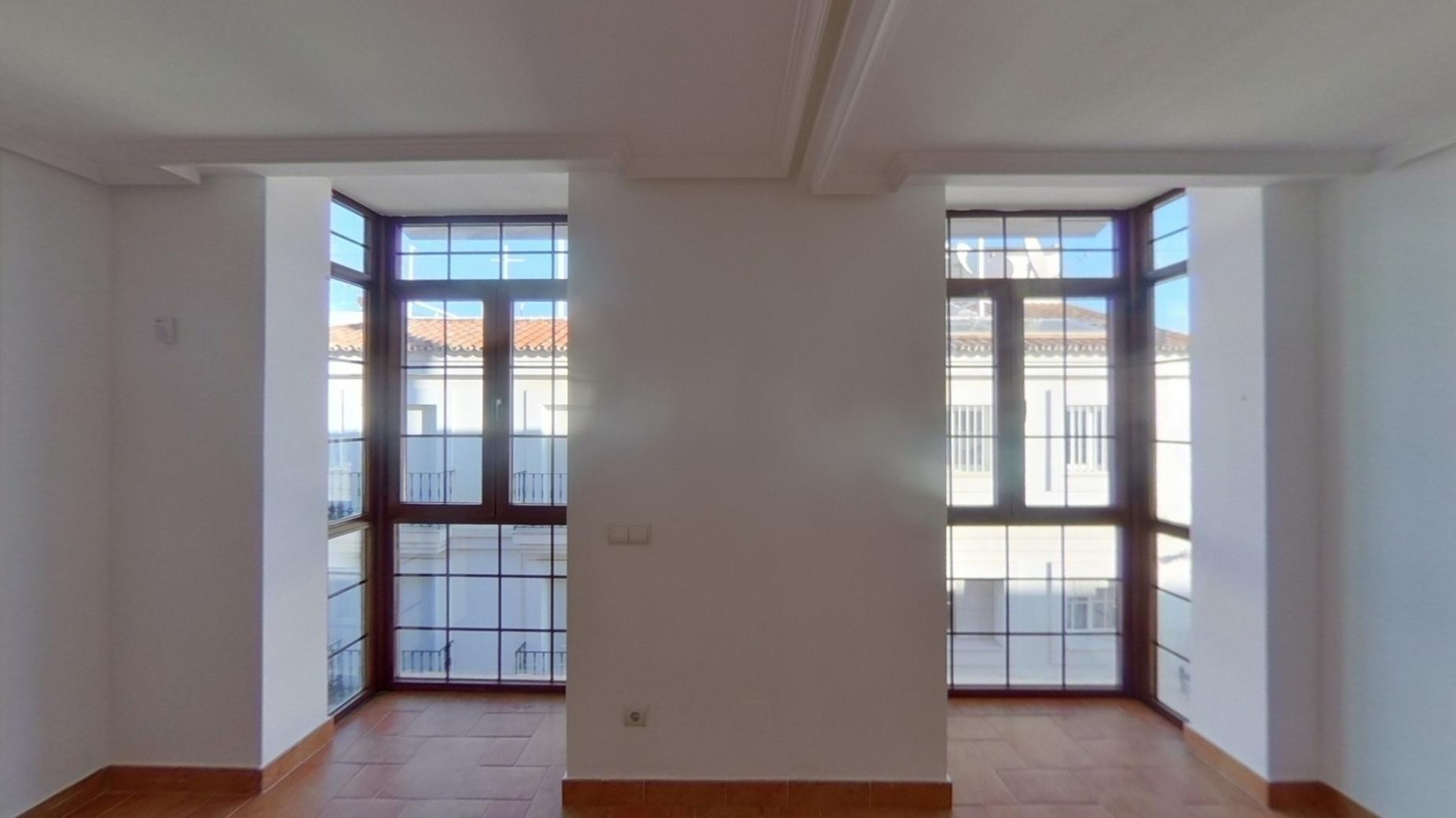
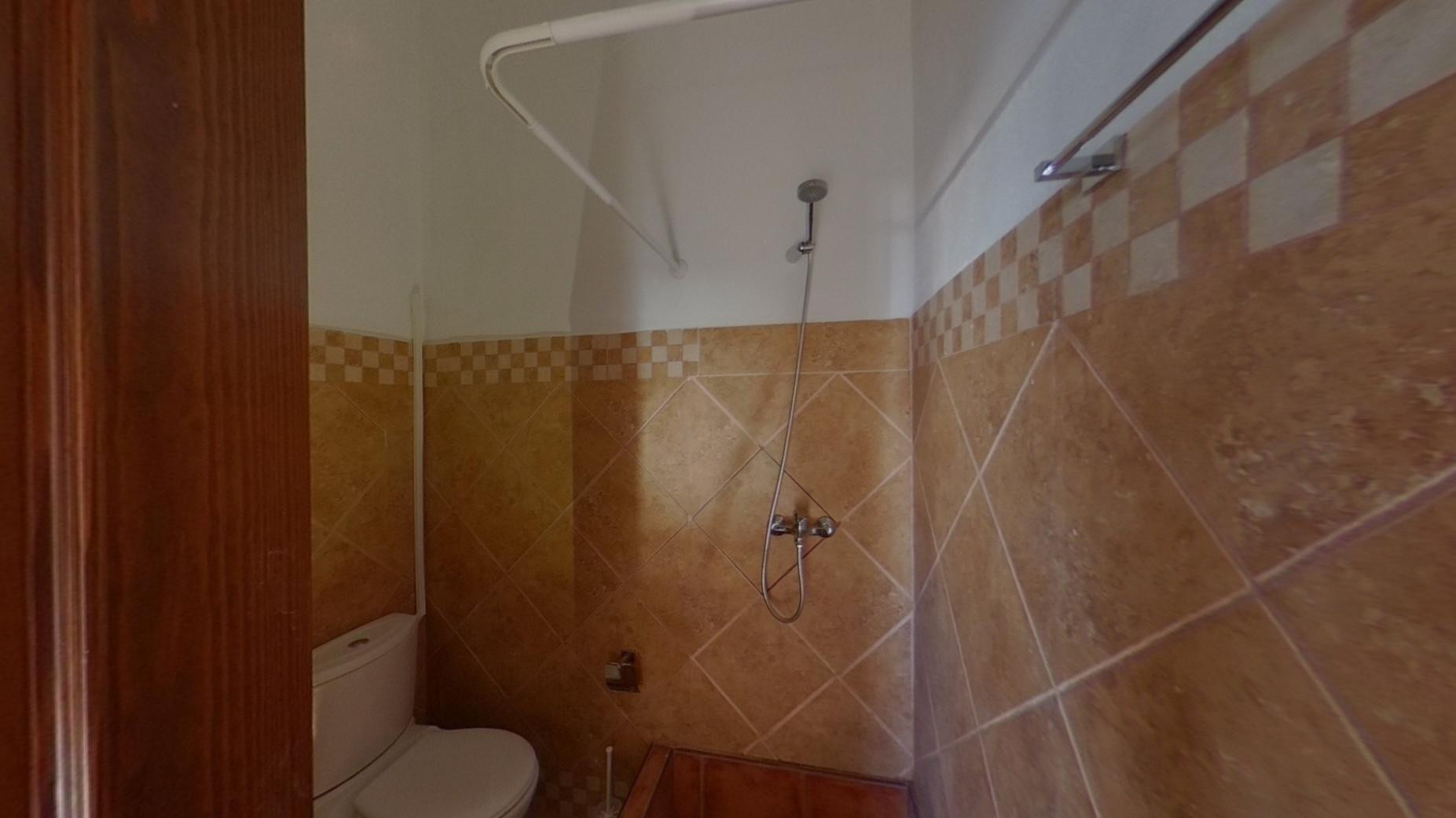
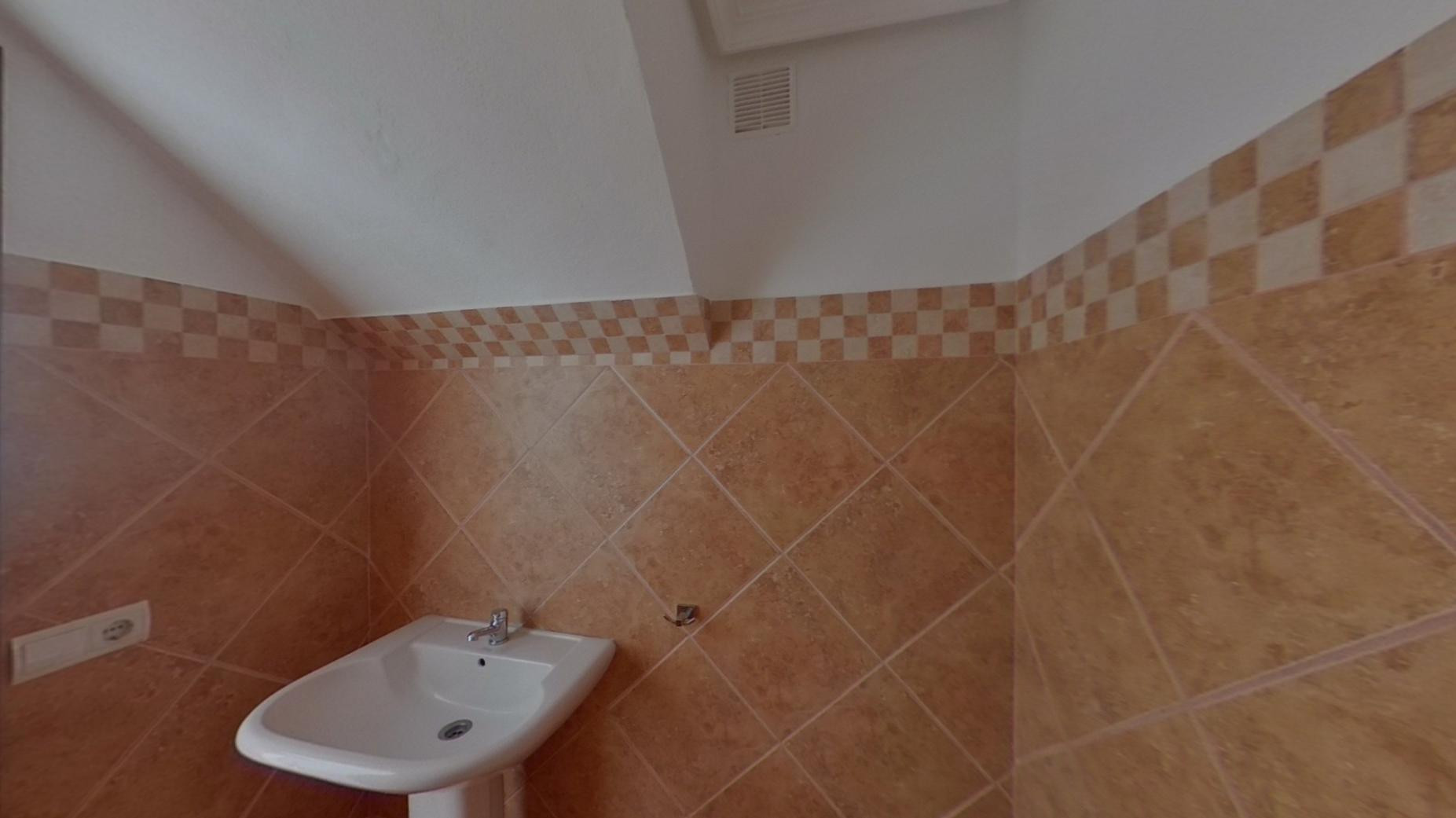
Apartment rented in the center of San Pedro, opportunity for investors.
Very central and bright duplex apartment in San Pedro de Alcántara, on the ground floor we have a living room with open kitchen and a toilet, on the 2nd floor there are two bedrooms with 1 bathroom, both bedrooms have terrace with space for different purposes. The house is in an unbeatable location, just steps from the main avenue, close to all services. Tenant and current rental contract, opportunity for investors.
Duplex in Duquesa Suites
Located in the sought-after Duquesa Suites Golf & Gardens in Manilva, this spacious apartment offers two comfortable bedrooms and two modern bathrooms. The bright living area features a stylish seating space and a separate dining area, creating a pleasant and functional layout ideal for both everyday living and entertaining. Excellent communal facilities include a beautifully maintained swimming pool with open views, a sun-drenched terrace, and lush landscaped gardens. The complex also offers an open-air bath and a solarium, contributing to a relaxed and exclusive living environment. Prime location, just 1.7 km from Sabinillas Beach and 6 km from La Duquesa Golf. The property is highly regarded for its pool area, cleanliness, and convenient setting. Estepona Golf and the Marbella Bullring are also within easy reach, making this an ideal home to enjoy the Costa del Sol lifestyle.
Magnificent 3-bedroom duplex apartment near by Duquesa
This three-bedroom duplex apartment presents itself as a serene and well-established residence in one of the most consolidated enclaves of the Costa del Sol. Located beside La Duquesa golf course and just a short walk from the marina of Puerto de la Duquesa, it combines the calm of a mature, gated community with the convenience of having the sea, restaurants and everyday services close at hand. The property is arranged around a generous living room, oriented to make the most of natural light, with a fireplace that brings warmth and a welcoming atmosphere throughout the year. From here, there is direct access to a sunny terrace that extends the interior living space and allows for relaxed enjoyment of the Mediterranean climate, with open views over the well-kept surroundings of the community. The fully equipped kitchen is practical and comfortable, offering clear potential for a cosmetic update to suit contemporary tastes without the need for structural work. All three bedrooms are well proportioned and feature fitted wardrobes, providing a sense of privacy that is enhanced by the duplex layout. Two of the bathrooms are en suite, ensuring comfort and ease of living for both residents and guests. The home conveys the character of a property with history, carefully maintained and built to stand the test of time, a true character property in Manilva that benefits from solid construction and the stability of an already established setting. The communal areas, with mature gardens and two swimming pools, reinforce the feeling of privacy and tranquillity, while the underground parking space adds an extra level of convenience. Living here means enjoying walks to the marina, rounds of golf just moments away and high-quality beaches nearby, all within the context of a luxury property in La Duquesa that offers an authentic, balanced residential experience, fully connected to its surroundings.
Spectacular Duplex – Fully Refurbished Designer Home with Golf and Sea Views
Spectacular Duplex in Las Brisas Urbanisation, Manilva – Fully Refurbished Designer Home with Golf and Sea Views on the Costa del Sol! Indulge in this stunning, fully refurbished duplex in the tranquil Las Brisas urbanisation, nestled in the charming municipality of Manilva – a hidden gem on the western Costa del Sol, renowned for its pristine beaches, Moscatel vineyards, and relaxed Andalusian lifestyle. Perfectly positioned overlooking the lush fairways of La Duquesa Golf Course, it's just a short drive (about 5 minutes) from the vibrant Puerto de la Duquesa marina with its array of restaurants, bars, and shops, and the golden sands of Playa de Sabinillas. Enjoy excellent connectivity: 10 km to lively Estepona, 8 km to upscale Sotogrande, 40 km to glamorous Marbella, and proximity to Gibraltar for international appeal – all while basking in over 300 days of sunshine annually in this peaceful, family-friendly enclave. Spanning 100 m² built with a 25 m² terrace, this move-in-ready designer property boasts three spacious bedrooms (including en-suite options), two modern bathrooms, a fully fitted kitchen, and a large private terrace offering breathtaking panoramic views of the sea and golf course. Key highlights include south-facing orientation for optimal light, air conditioning (hot/cold), fireplace, covered terrace, fitted wardrobes, WiFi, double glazing, fibre optic internet, marble floors, and accessibility features for reduced mobility. Fully furnished and in excellent condition, it also holds a tourist licence – perfect for investment with strong holiday rental potential in this high-demand area. The gated Las Brisas community provides a serene setting with communal swimming pool, children's pool, lush gardens, and ample parking (more than one space, communal) – ideal for enjoying the Mediterranean climate and outdoor living. Whether as a primary residence, holiday retreat, or lucrative investment, this duplex combines luxury, convenience, and natural beauty in one of the Costa del Sol's most promising spots. Priced at €340,000 – an outstanding opportunity in sought-after Manilva.
Scandinavian Design Duplex with Panoramic Sea Views in La Quinta
This spectacular duplex of 4 bedrooms and 3 bathrooms, recently renovated, represents a harmonious fusion between the purity of Scandinavian design and the essence of the Mediterranean lifestyle. Bright, spacious and carefully conceived, it conveys a feeling of warmth and comfort thanks to its natural wood finishes, its sophisticated microcement staircase and delicate stucco mouldings of Nordic inspiration. The day area, open concept, integrates kitchen, dining room and living room in a continuous space that extends to a south facing terrace. From there you enjoy views of the sea completely clear, creating a perfect framework both to start the day calmly and to contemplate memorable sunsets. The large windows flood the house of natural light, reinforcing its serene and welcoming atmosphere. Located in a quiet and perfectly maintained community, the residential offers a peaceful environment and an attractive communal pool. A few minutes from the golf course of La Quinta, renowned restaurants and vibrant Marbella lifestyle, this property is an authentic gem for those who value the timeless design, the privileged views and an exceptional location.
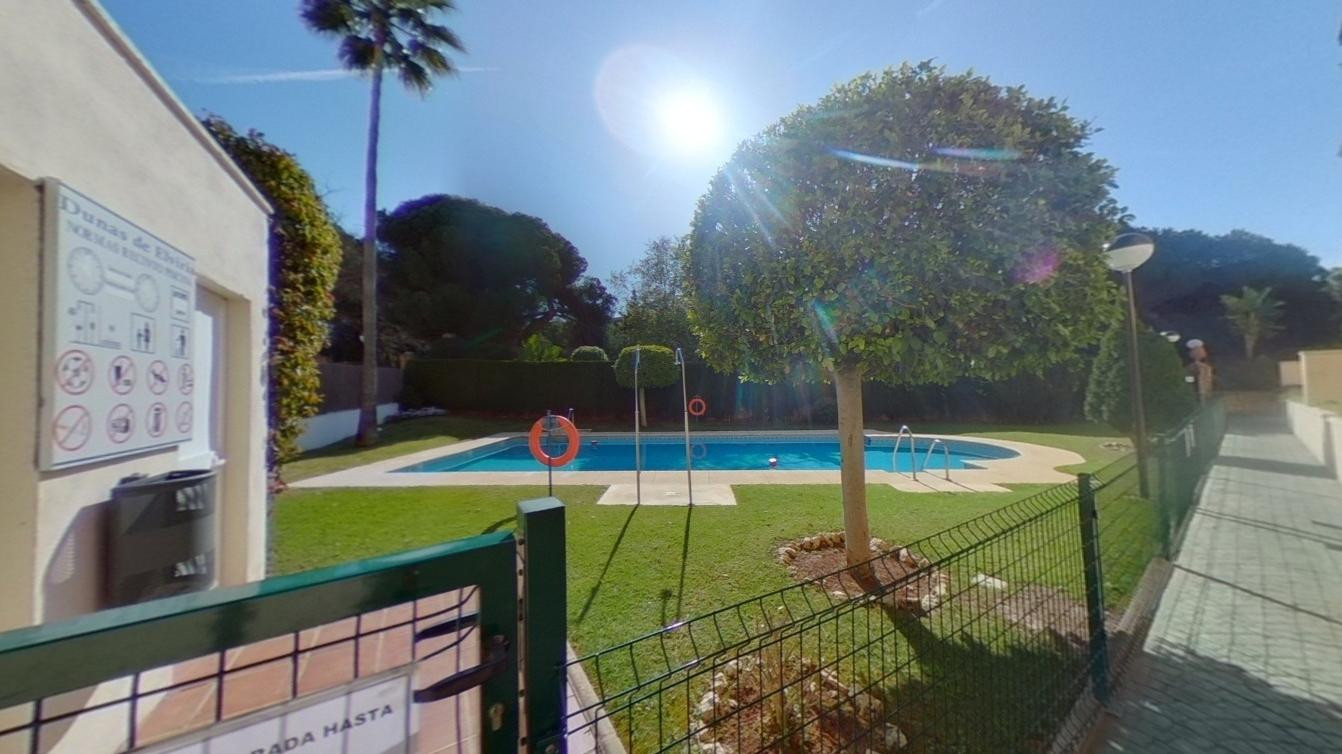
Duplex rented in Elviria, opportunity for investors.
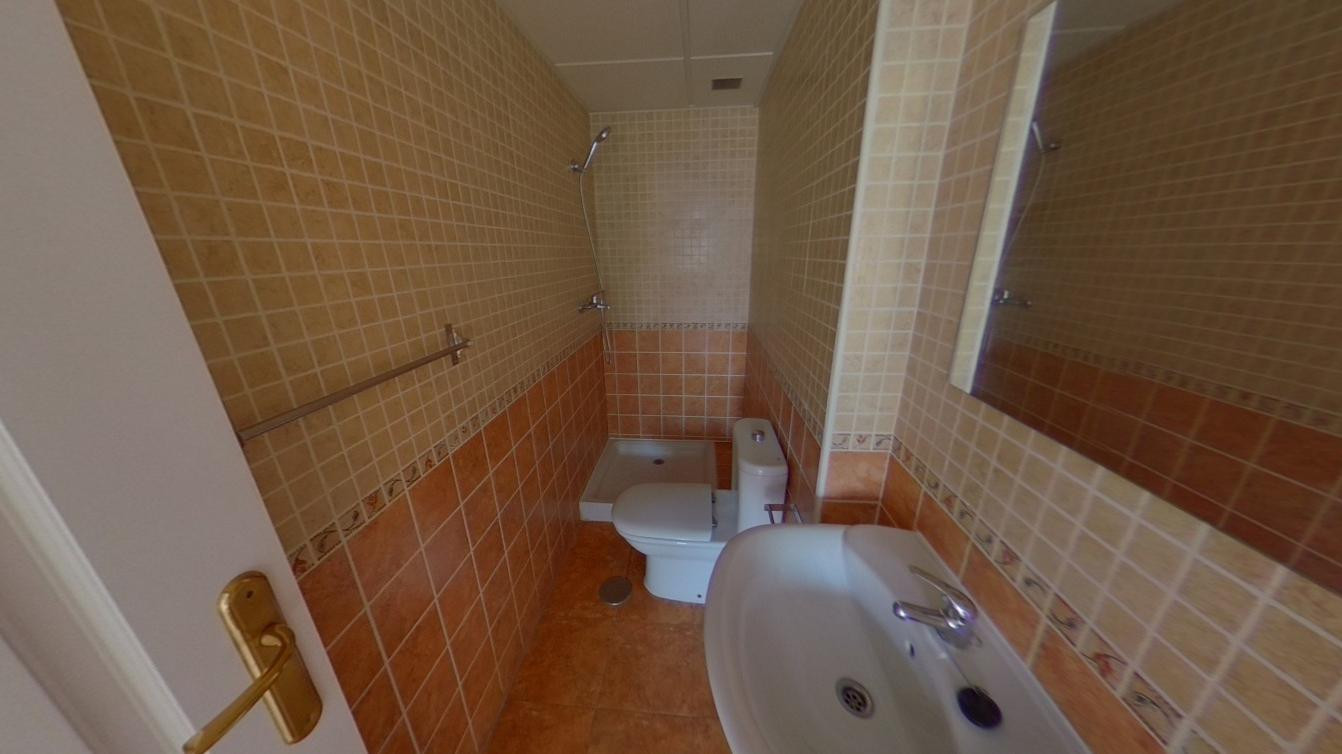
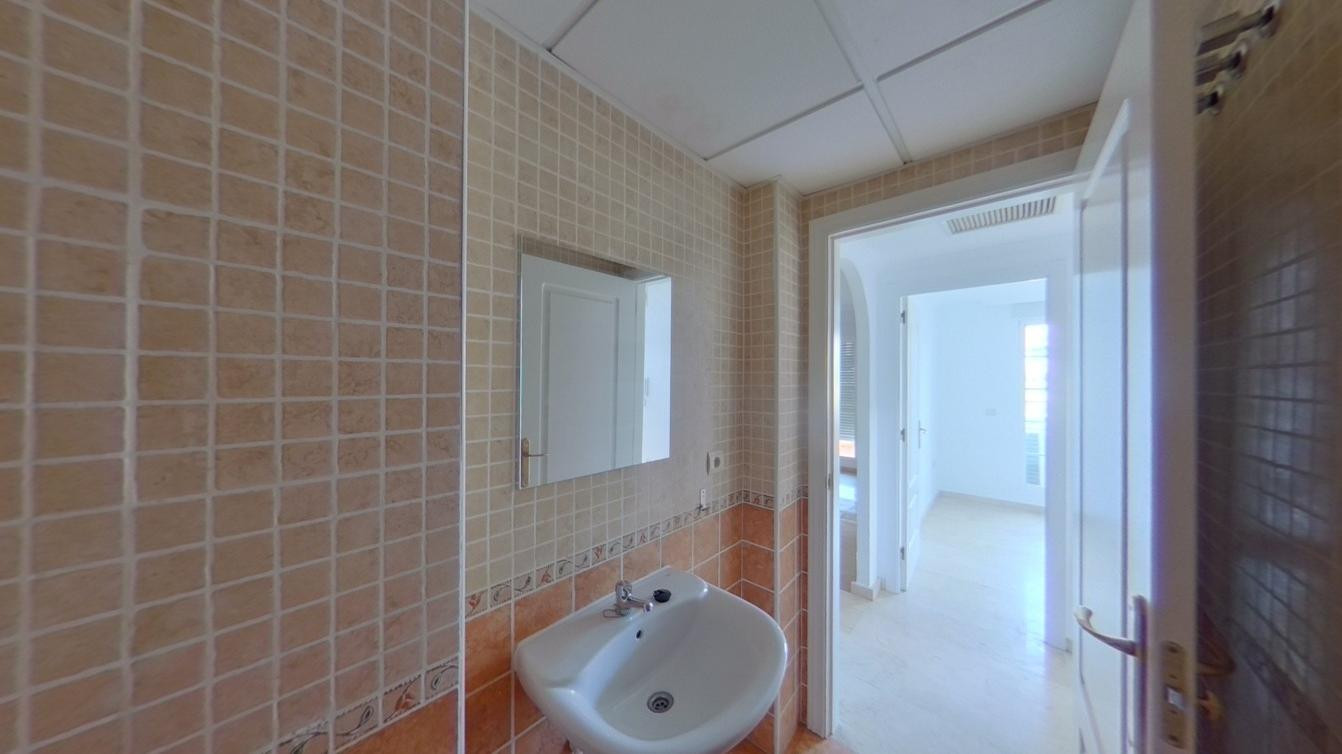
Duplex apartment with 4 bedrooms located in the residential complex Dunas de Elviria, on the side of the beach and close to a multitude of services. The house consists of 4 bedrooms, 2 bathrooms, living room, kitchen and terraces. It is a community with few neighbors, very quiet, with green spaces and pool. An excellent investment opportunity, with tenant, with contract in force.