Estepona
Estepona is located on the western Costa del Sol, in an area where the coastal lifestyle blends with a more relaxed background than nearby cities like Marbella. Its identity is based on a unique combination: an extensive and bright coastline, a carefully restored old town, and a cultural offering that has turned its streets into points of access to art. Nowadays, its old town, which is entirely pedestrianized, has become one of the main charms of the city. Narrow passageways, potted plants in bright colors, and whitewashed façades create an environment that fuses aesthetics with Andalusian tradition, which has contributed to its popularity. The plazas of Ortiz, Las Flores, and Rincón Gitano maintain part of the social pulse, while bars and small shops with a local atmosphere preserve a neighborhood feel that has not faded despite the growth of tourism.
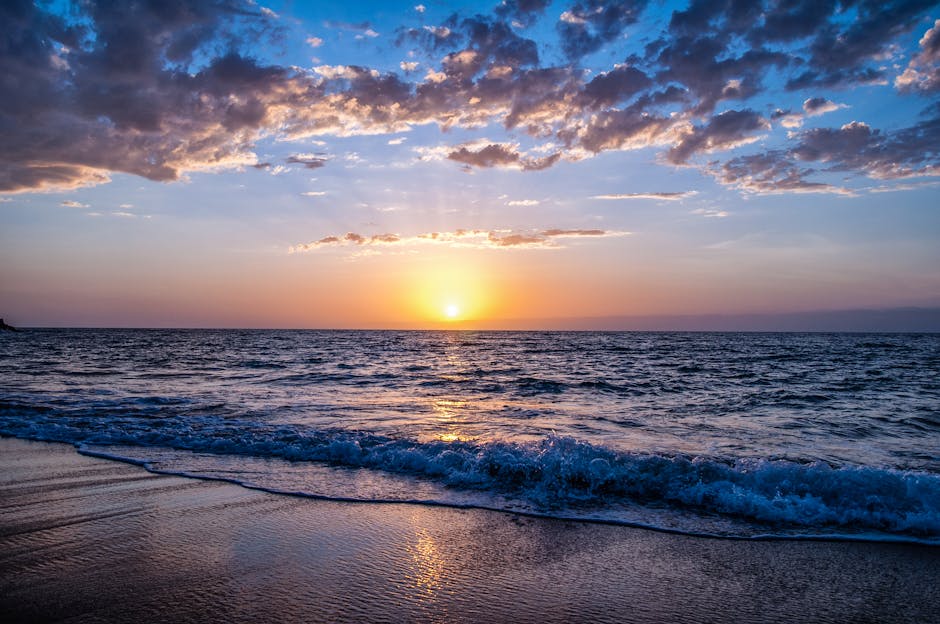
The seafront gives it a distinct character: more than twenty kilometers of coastline, with extensive light-sand beaches, among which Rada —the most urban— and El Cristo, calm and family-friendly, stand out. The Promenade is one of the busiest routes, accessible both to athletes who exercise at dawn and to casual strollers. Meanwhile, the marina is a small nightlife hub with restaurants, bars, and boating activities. Over the past decade, the city has launched a cultural initiative that defines it: The Artistic Murals Route, which stretches across entire building facades and an increasing number of sculptures and themed areas. Estepona’s image has been completely transformed, becoming an ‘open-air museum,’ thanks to this commitment to cultural urbanism.
The Sierra Bermeja rises as a backdrop in the natural environment, with paths that wind through pine forests and the reddish landscapes characteristic of this unique mountain. In addition, there is Selwo Aventura, a nature and wildlife park that attracts families and tourists from all over the Costa del Sol.
Estepona has experienced significant development with the creation of new hotels, residential areas, landscaped promenades, and services that have expanded its tourist and residential offerings; however, the city has tried to maintain a calmer image compared to its more glamorous neighbors. Its economy is based on commerce, hospitality, tourism, and an active real estate sector; nevertheless, it retains a local character that is evident in its festivals (such as the San Isidro Fair) and its markets.
Although its economy is based on trade, hospitality, tourism, and an active real estate sector, it maintains a local spirit that can be seen in its markets, celebrations — for example, the San Isidro Fair — and in its cuisine, which features Mediterranean dishes and fresh fish.
In general, Estepona presents itself as a place that has managed to update its image without completely losing its traditional essence: a bright city with the feel of a large town, blending culture, sea, nature, and tranquility.